< Back to News

The Guardian on the Royal Academy Summer Exhibition

June 2022
The Guardian on the Royal Academy Summer Exhibition

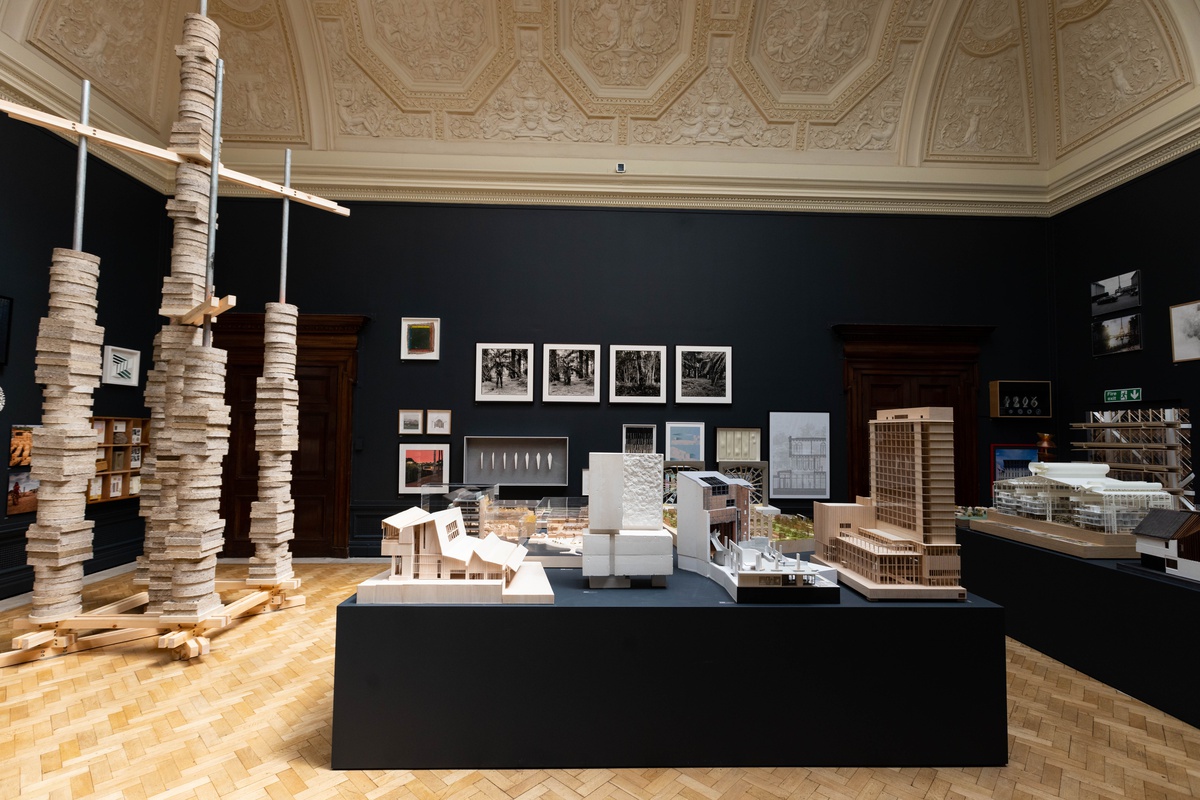
Olly Wainwright has published his Guardian review of this year’s Royal Academy architecture rooms which have been co-curated by Níall McLaughlin and artist Rana Begum. With this year’s theme being ‘Climate’, Wainwright highlights that “Architects and engineers have, after all, some responsibility for the mess we’re in, given that 40% of carbon emissions come from buildings. They also have the means to do something about it”. Níall commented, “there can be a sense of fatalism about the climate, but our discipline can show that imaginative change is possible”. 

The article reviews a few select pieces such as Stonemasonry Company and Webb Yates engineers’ large stone beam titled ‘Equanimity’, the Khudi Bari (or Tiny House), a modular monsoon-resistant shelter designed by Bangladeshi architect Marina Tabassum, and Thai architect Boonserm Premthada’s ‘Dung Power’ a structure made from elephant dung bricks. 

The article can be accessed here. 

Image © Royal Academy of Arts, London / David Parry
Architects’ Journal Feature on Duncan Terrace

August 2014

Architects’ Journal Feature on Duncan Terrace

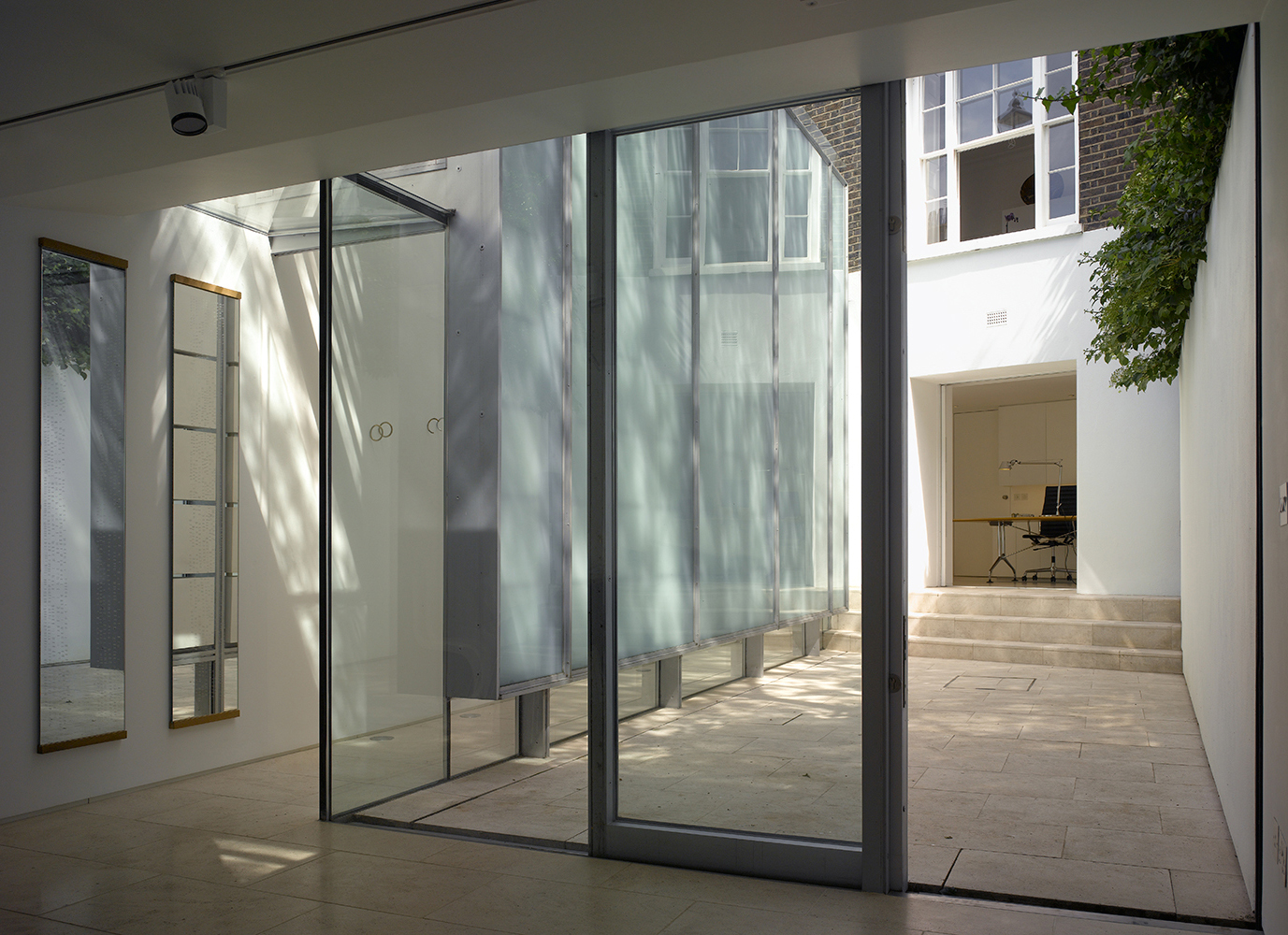
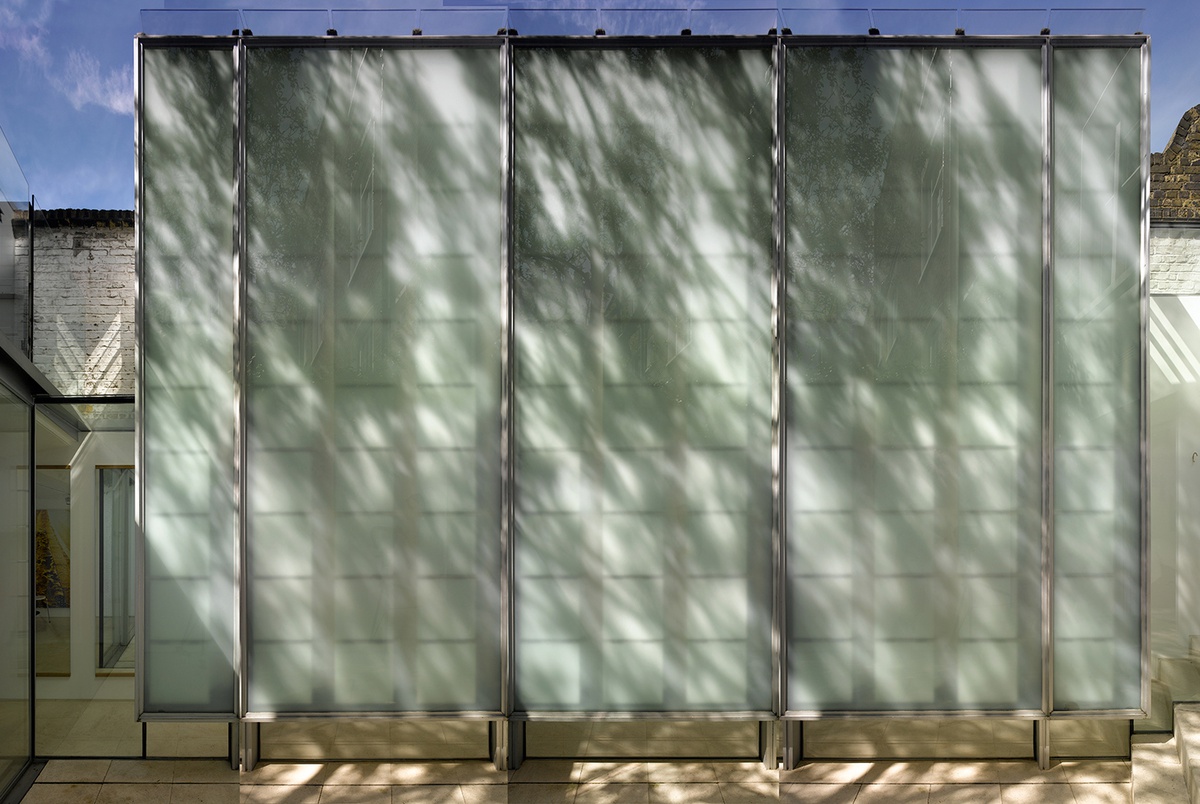
In their August issue entitled ‘Home’, the Architects’ Journal has featured an article on the practice’s remodelling of Duncan Terrace, a Grade II-listed Georgian house in Islington. After winning a private competition held by the clients in 1999, the residential project has spanned over a decade and is now complete. The internal arrangement of the house has been extensively remodelled and a dedicated gallery space built at the end of the courtyard garden, to house the clients’ collection of contemporary art and ceramics.

The main house is linked to the gallery space through a double-height passageway, formed between the existing listed flanking garden wall and a new screen of cast plaster blocks, set behind translucent glass. The screen gathers light from both sides making the cast volumes appear to float, with light able to penetrate around each block held in the array.

To read the full article click here.