The Guardian on the Royal Academy Summer Exhibition
June 2022
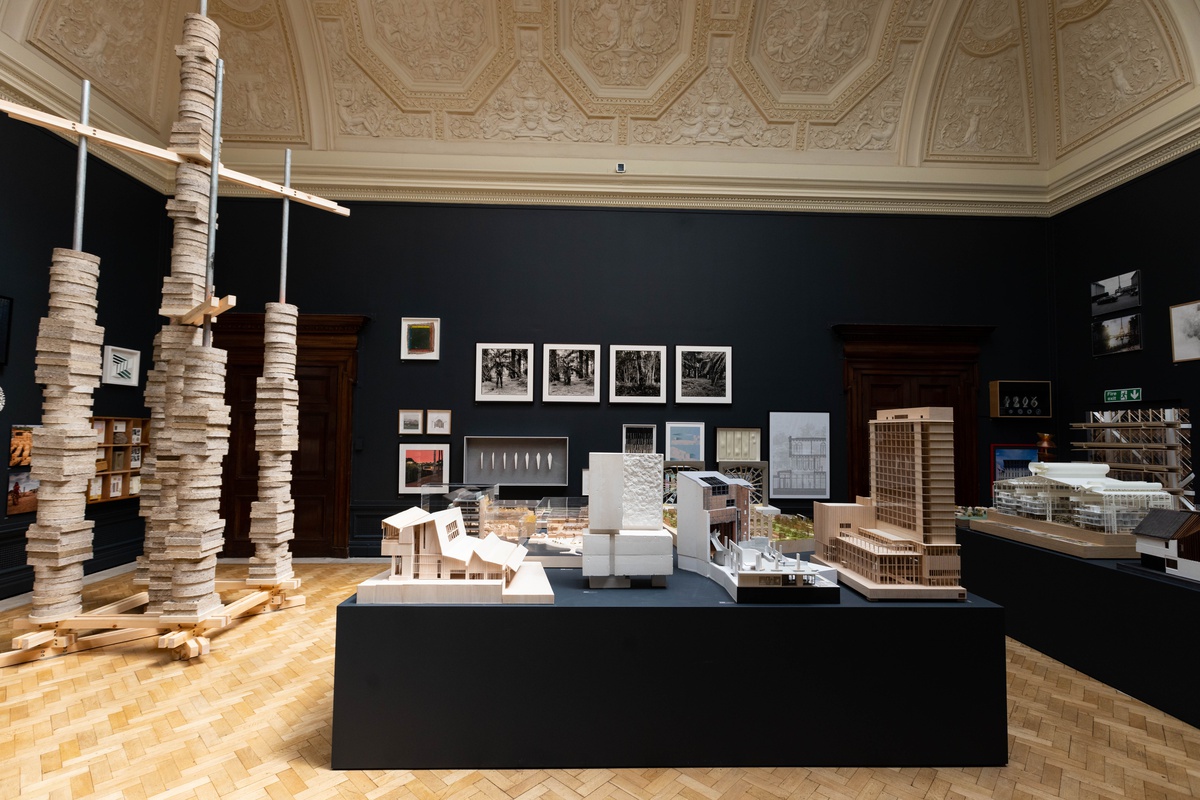
Olly Wainwright has published his Guardian review of this year’s Royal Academy architecture rooms which have been co-curated by Níall McLaughlin and artist Rana Begum. With this year’s theme being ‘Climate’, Wainwright highlights that “Architects and engineers have, after all, some responsibility for the mess we’re in, given that 40% of carbon emissions come from buildings. They also have the means to do something about it”. Níall commented, “there can be a sense of fatalism about the climate, but our discipline can show that imaginative change is possible”.
The article reviews a few select pieces such as Stonemasonry Company and Webb Yates engineers’ large stone beam titled ‘Equanimity’, the Khudi Bari (or Tiny House), a modular monsoon-resistant shelter designed by Bangladeshi architect Marina Tabassum, and Thai architect Boonserm Premthada’s ‘Dung Power’ a structure made from elephant dung bricks.
The article can be accessed here.
Image © Royal Academy of Arts, London / David Parry
Checking In
August 2017
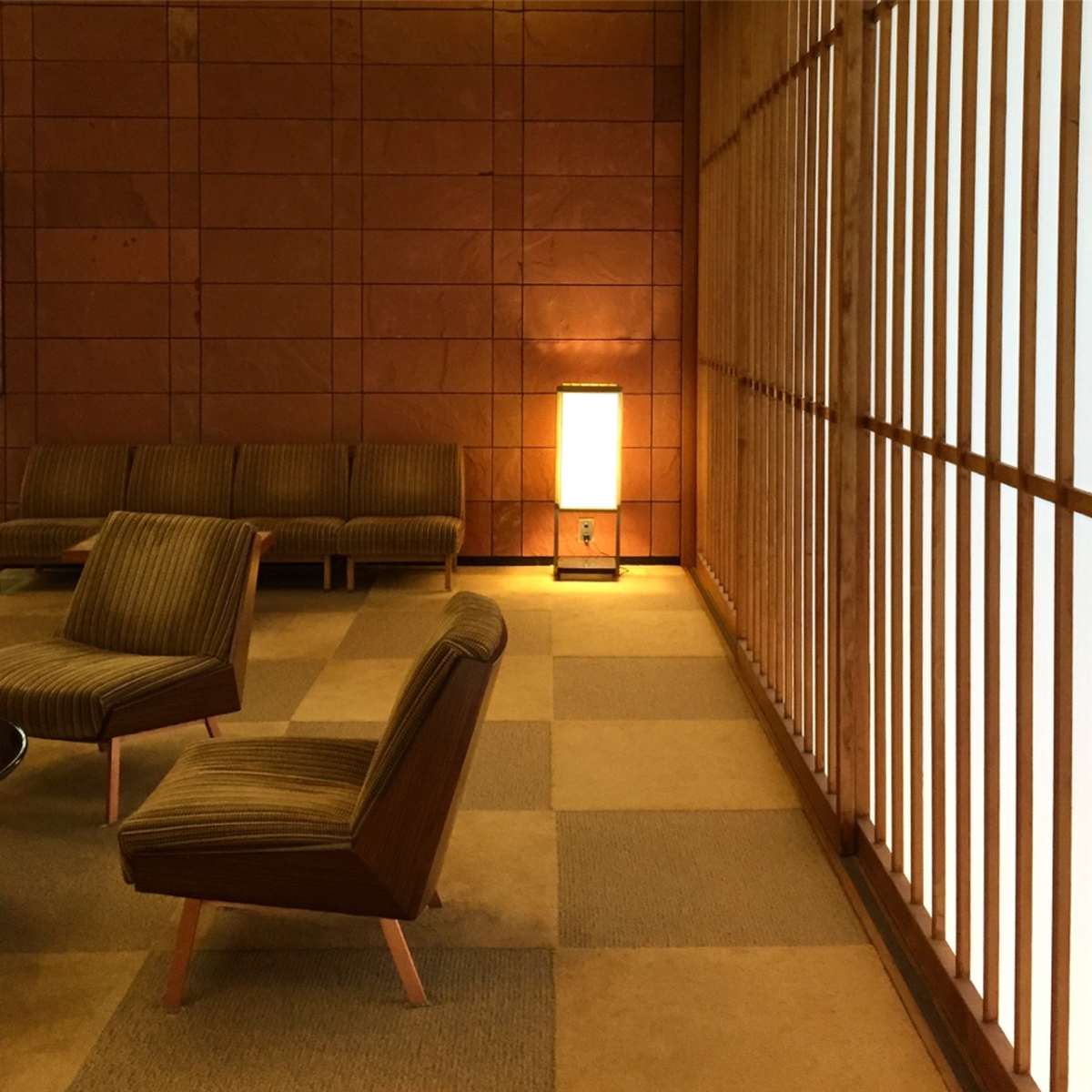
In July, following a recent opportunity to begin designing a concept store for fashion brand HiPanda, two of the NMLA team were lucky enough to travel to Tokyo for a site visit.
After leaving the airport, we begin driving through the narrow Tokyo streets as the dizzying cityscape towers upwards. Some things seem similar, but always more…vertical. Stepping out of the car the humid air quickly envelops, reminding us we are certainly not in Camden anymore. Pure overstimulation.
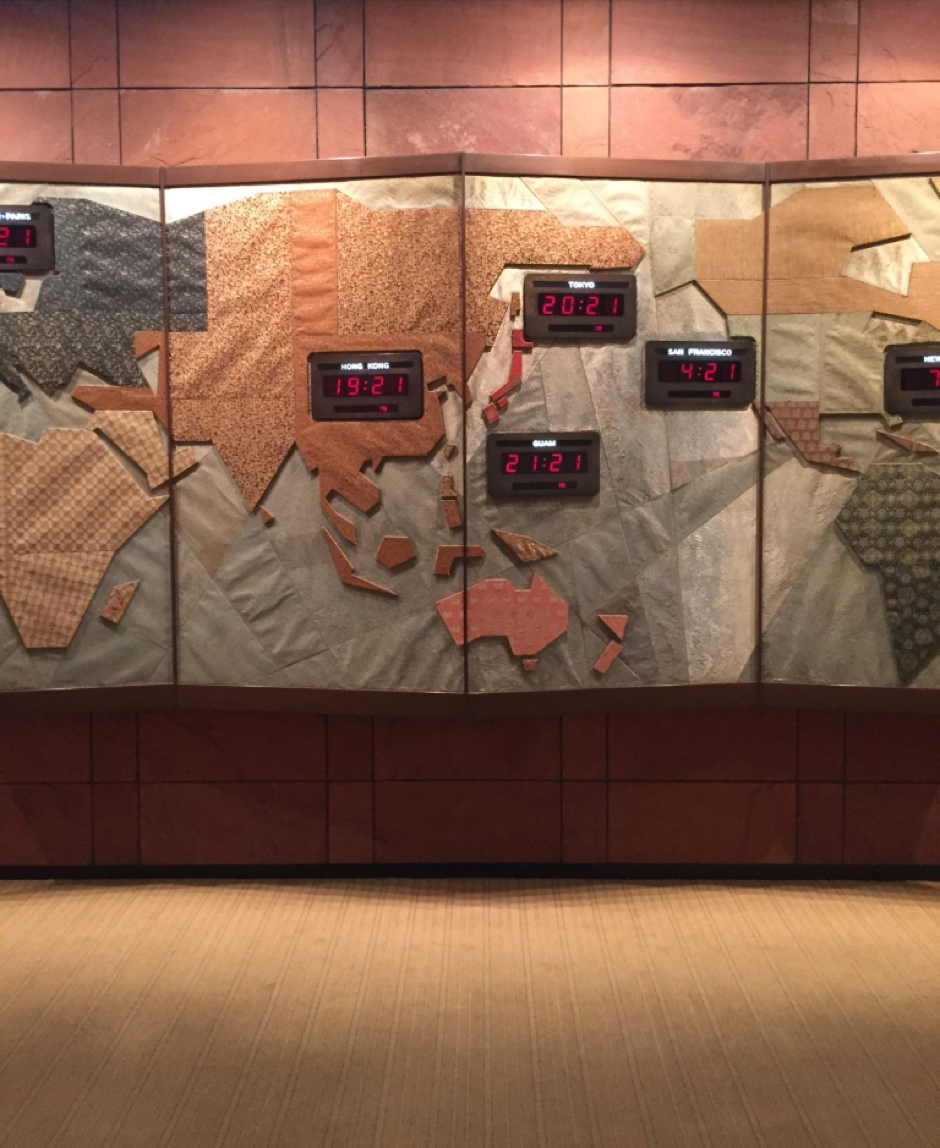
Stepping into Hotel Okura’s lobby the chaos of the megalopolis washes off and is replaced with Zen. Passing the immaculately stacked wall of umbrellas, the ‘bell captain’ gracefully bows with a slight smile seeing how large my eyes have become. The dimly lit mirage of greens and browns is so consistently assembled it seems to hum. While the giant world map hanging on the wall is supposed to remind us of the new time zone, it instead seems to catapult us back 5 decades, straight into a scene from Madmen. The hotel’s 60s style interior has remained completely untouched. And it’s marvellous. Even the impeccable uniforms of the staff match the muffled beige palette. While at each turn there are plethora patterns and textures, it still feels incredibly understated.
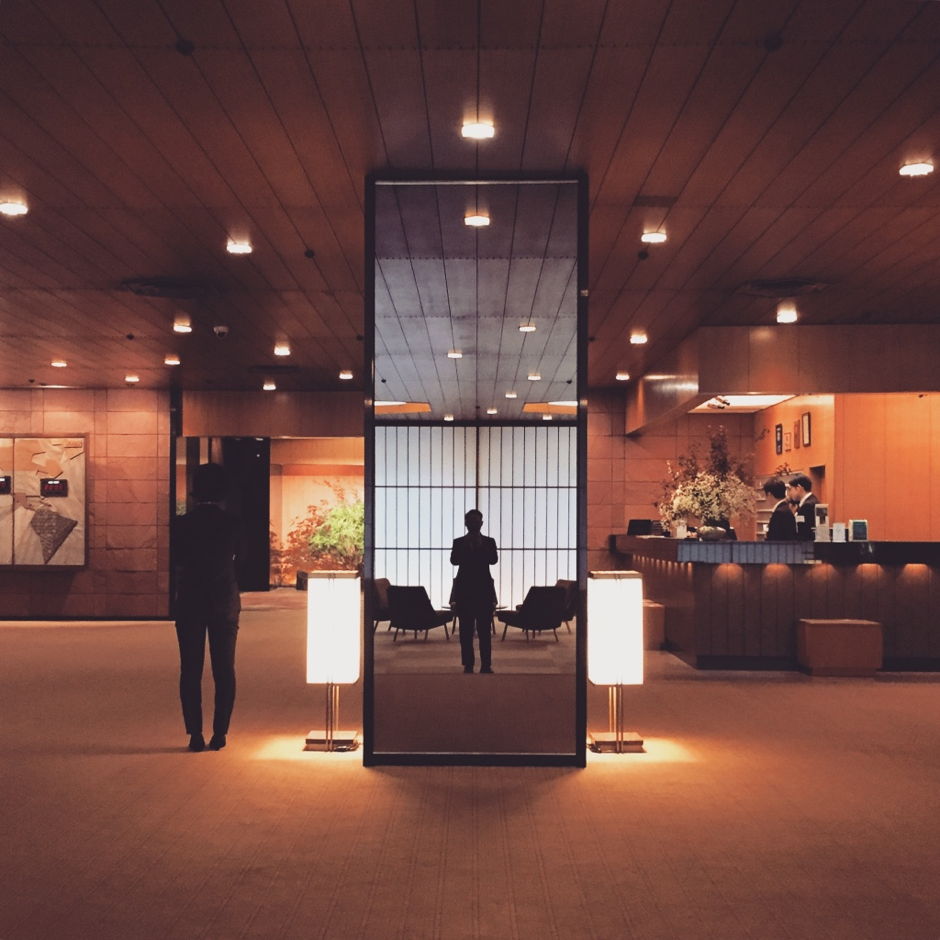
Designed by Yoshiro Taniguchi and Hideo Kosaka in 1962, the modern design clearly references more traditional Japanese forms and palettes. Unfortunately, the original Northern Wing of the hotel (which was arguably the most authentic and impressive of the two) was demolished in 2015 to make way for a much larger tower ahead of the 2020 Tokyo Olympics. Despite widespread outcry to try and save the adored modernist relic, the Northern Wing fell to the wrecking ball .
Yet so many aspects of the Southern Wing still hold endless charms and we were so lucky to experience them. Warm timber and brass detailing forms the backdrop to lighter elements like shoji screens and ornate wall hangings. The wide low spaces are punctuated by dangling hexagonal pendants and potplants. When standing in the space you can instantly see why writers have been inspired to set their scenes within these walls. James Bond spent a night or two here, while local writers seem equally enamoured, and Haruki Murakami sends Aomame here in his unnerving and fantastical 1Q84.
While Tokyo charges ahead into the future almost everywhere you look, it was so special to witness this elegant design, perfectly frozen in time.