Somerset House Competition Win
January 2020
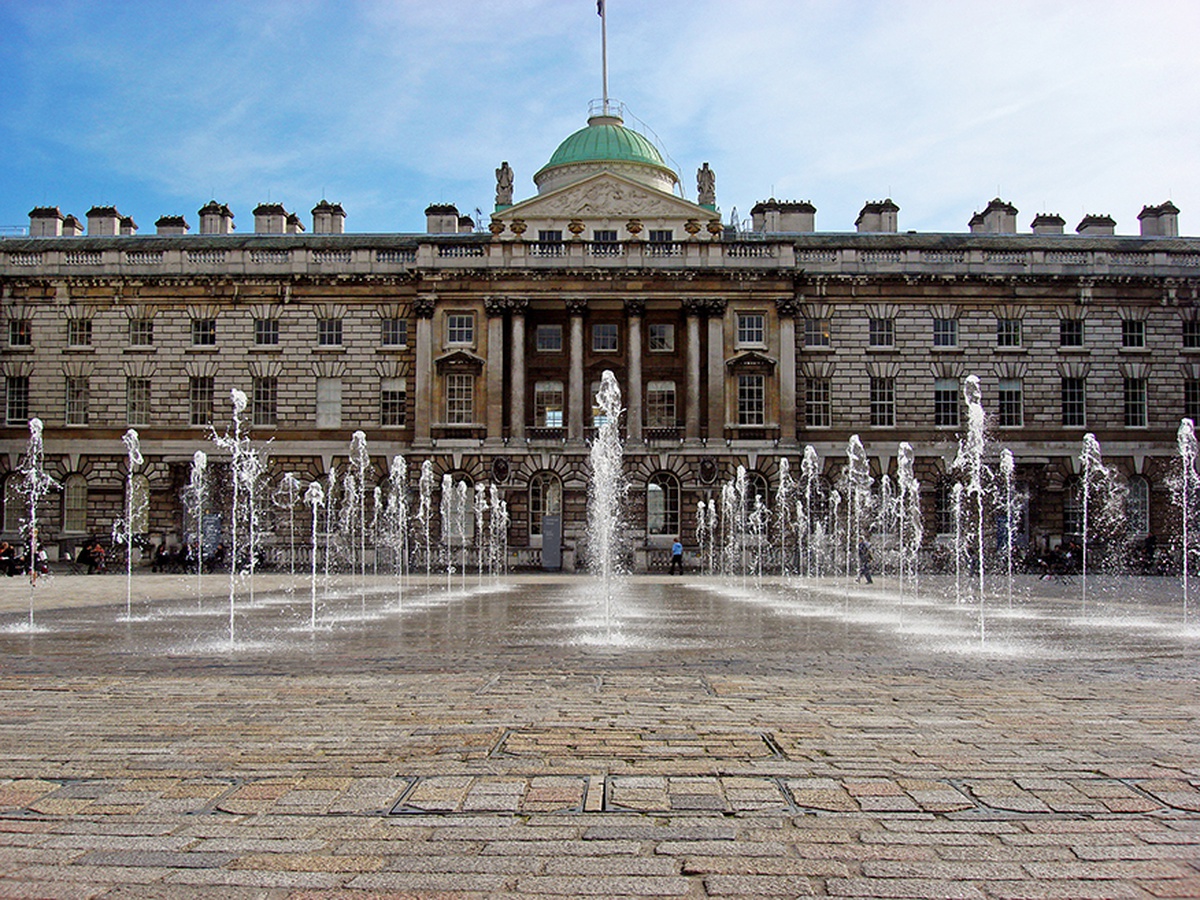
We are delighted to announce that Niall McLaughlin Architects has been appointed to design a new, multi-purpose auditorium and public space. This follows an international competition (organised by Colander Associates) which had a total of 69 entries from an impressive calibre of architectural teams. Eight teams were shortlisted which included Adjaye Associates, Barozzi/Veiga with DRDH, David Chipperfield Architects, Flores Prats with AOC Architects, Haworth Tompkins with Citizen’s Design Bureau, Snohetta with Orms, Studio Seilern, and Niall McLaughlin Architects. The jury, comprising Jonathan Reekie (Director, Somerset House Trust), Julia Barfield (Architect), Martine d’Anglejan Chatillon (Trustee and arts producer), Brian Eno (Trustee and artist/musician), Sarah Gaventa (Director of Illuminated River), Paul Goswell (Trustee and MD of Delancey) and Paul Purgas (Artist and Somerset House Studios resident), was unanimous that Niall McLaughlin Architects’ presentation gave a strong sense of design direction and clarity of thought, with an unmatched commitment to sustainability and a distinctly creative and collaborative approach. The jury felt confident that in our hands, the team would deliver Somerset House’s vision of creating a world-class performance space to make and showcase new, cutting-edge multi-disciplinary work to new, younger and more diverse audiences.