RIBA + VITRA TALK: NURTURING SPACES: DESIGNING FOR DEMENTIA
OCTOBER 2022
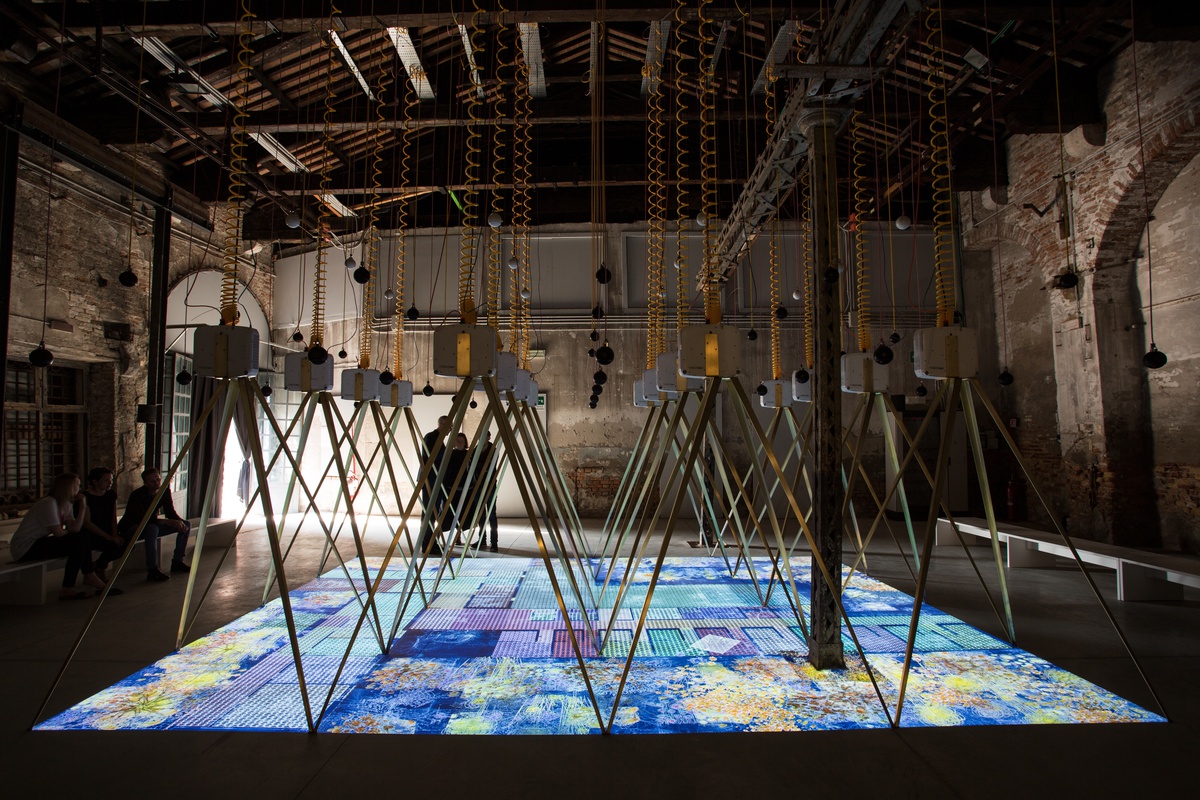
On the 4th October at London's RIBA Níall and Yeoryia Manolopoulou will present the Losing Myself project, a time-based drawing they collaborated on for the 15th Venice Architecture Biennale, which represented the plan of a building as it may be experienced by different people with dementia. Also talking will be Frank van Dillen, founder of DVA Dementia Village Associates, who will present on the very first Dementia Village in The Hogeweyk in The Netherlands. The talk can be viewed here.
This talk is part of the RIBA Well Being : Well Built series, sponsored by VitrA Bathrooms.
A SITE FOR SAURIIS
JANUARY 2017
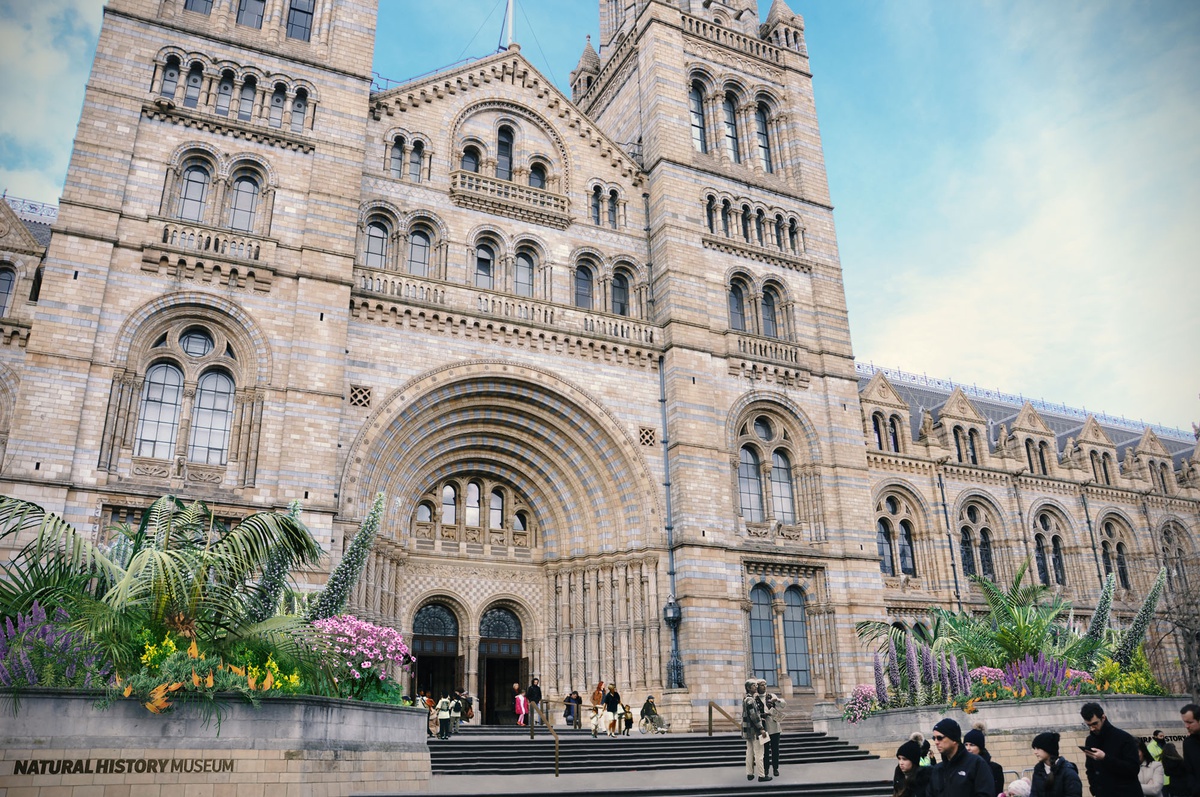
Our proposal to redevelop the grounds of the Natural History Museum is due to start on site this month. The work to the main entrance – the first of three phases – will introduce level access to this area for the first time while also restoring the Grade-I listed fabric to its former glory.
The works include changing levels, repaving the forecourt, restoring railings, installing planting, and repairing or reinstating original terracotta details across the site.
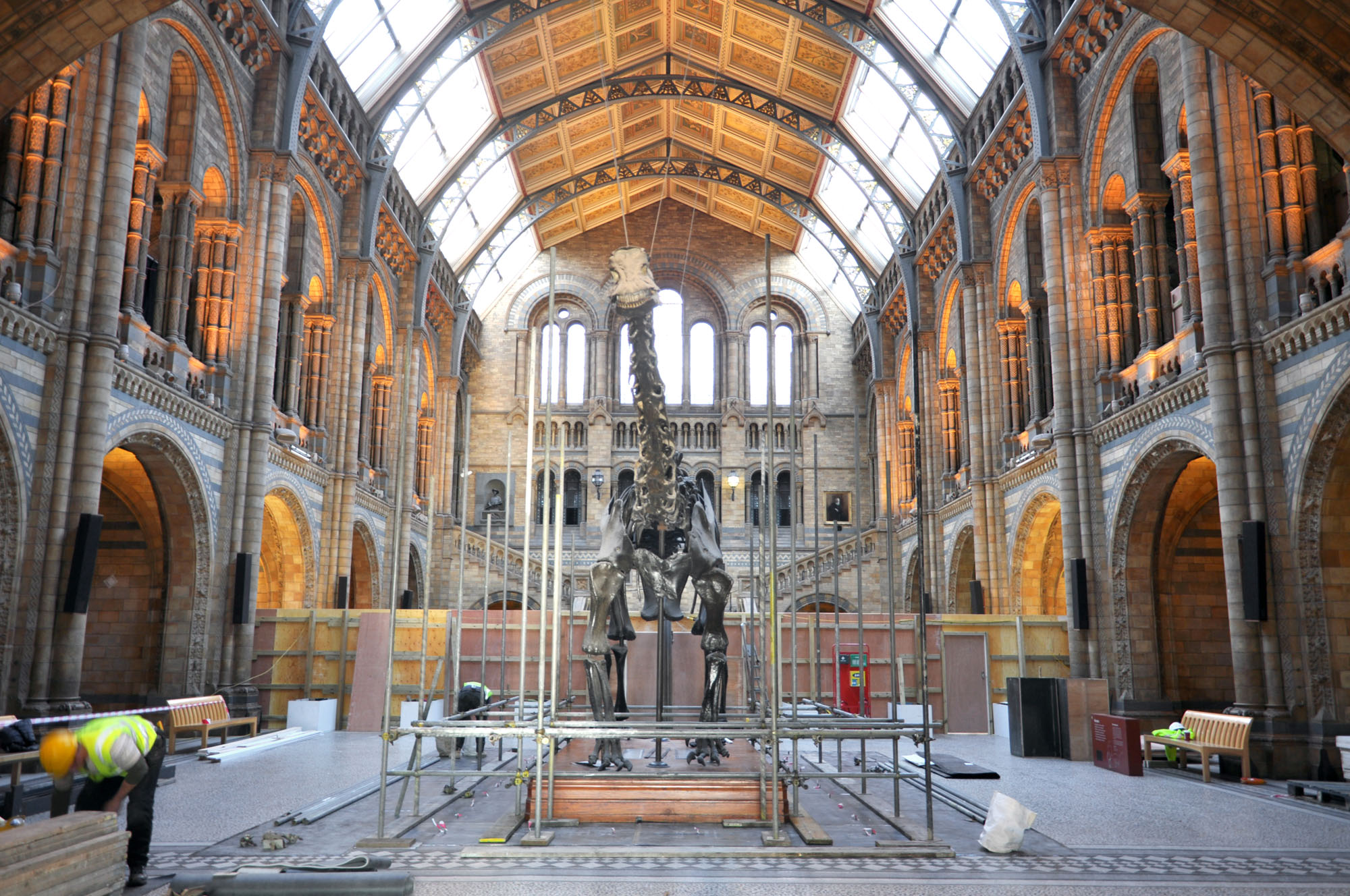
Ahead of this, the main entrance and central hall of the Museum are now closed while both teams gear up for construction – including some unusual enabling works. As part of these works Dippy the diplodocus has now been dismantled ahead of going on tour around the country; to be eventually recast in bronze for the next phase of our project.
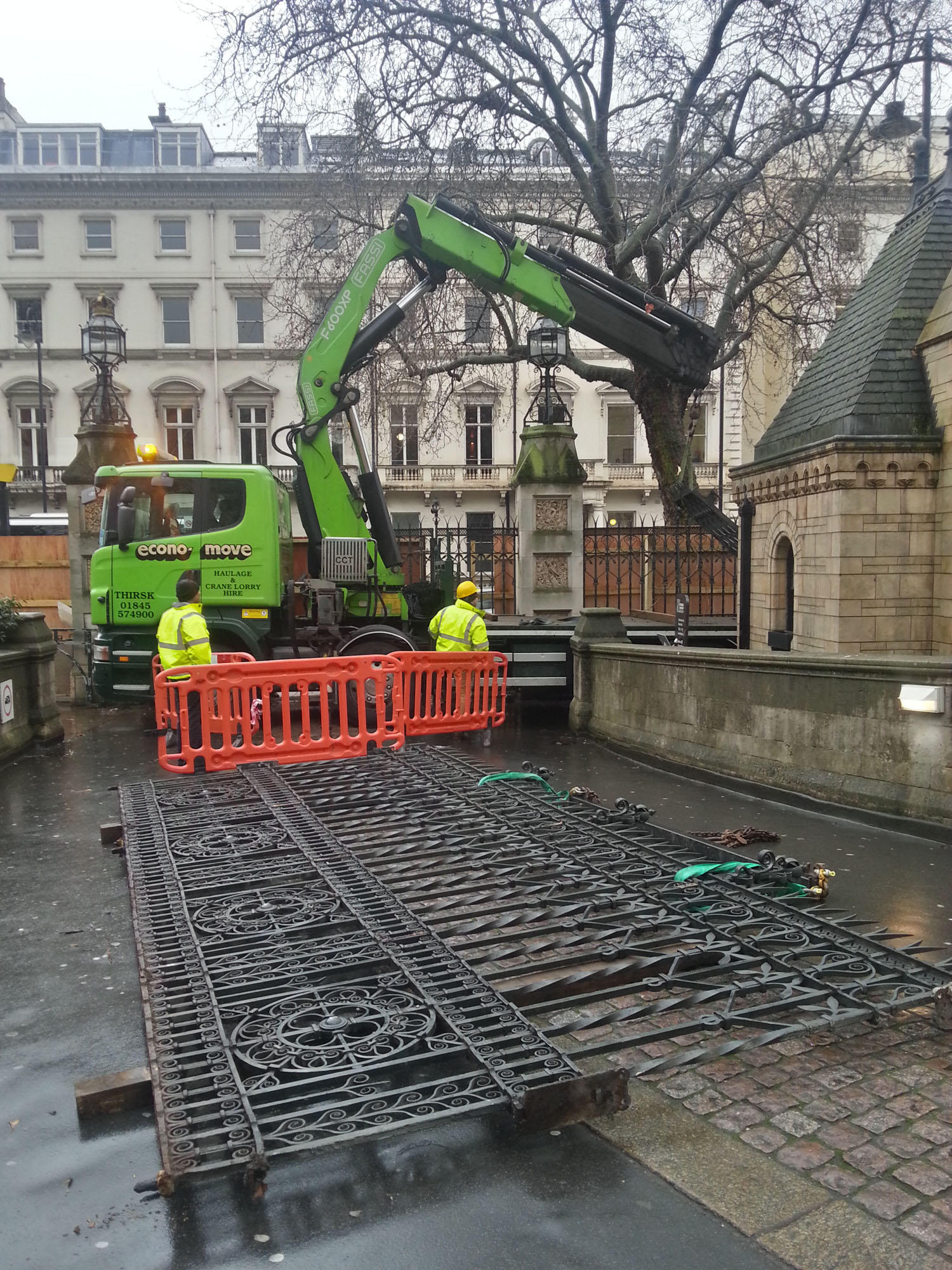
The railings have now been removed for off-site restoration and re-painting:
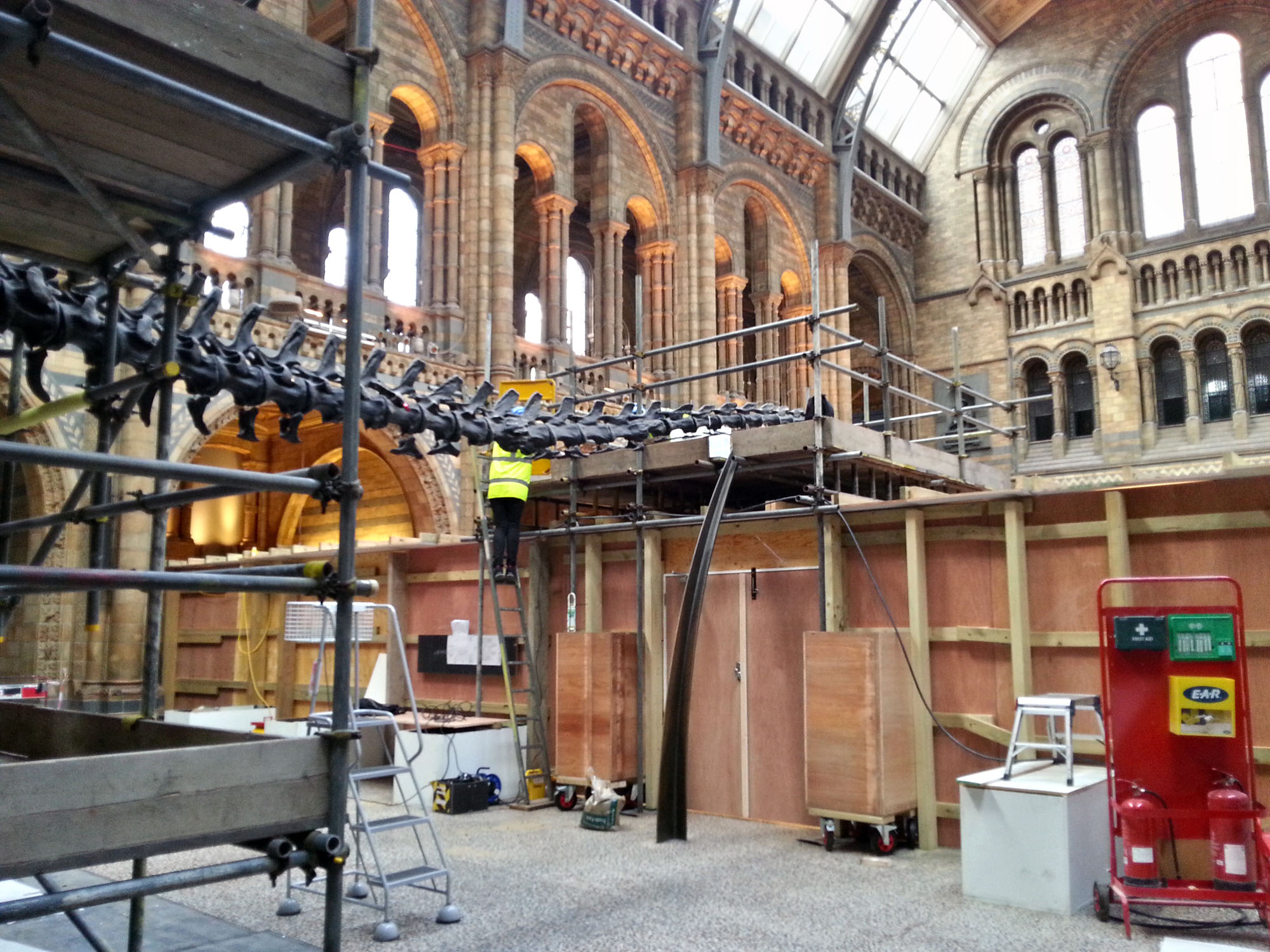
And scaffolding is also going up for the removal of display cases and various specimens:
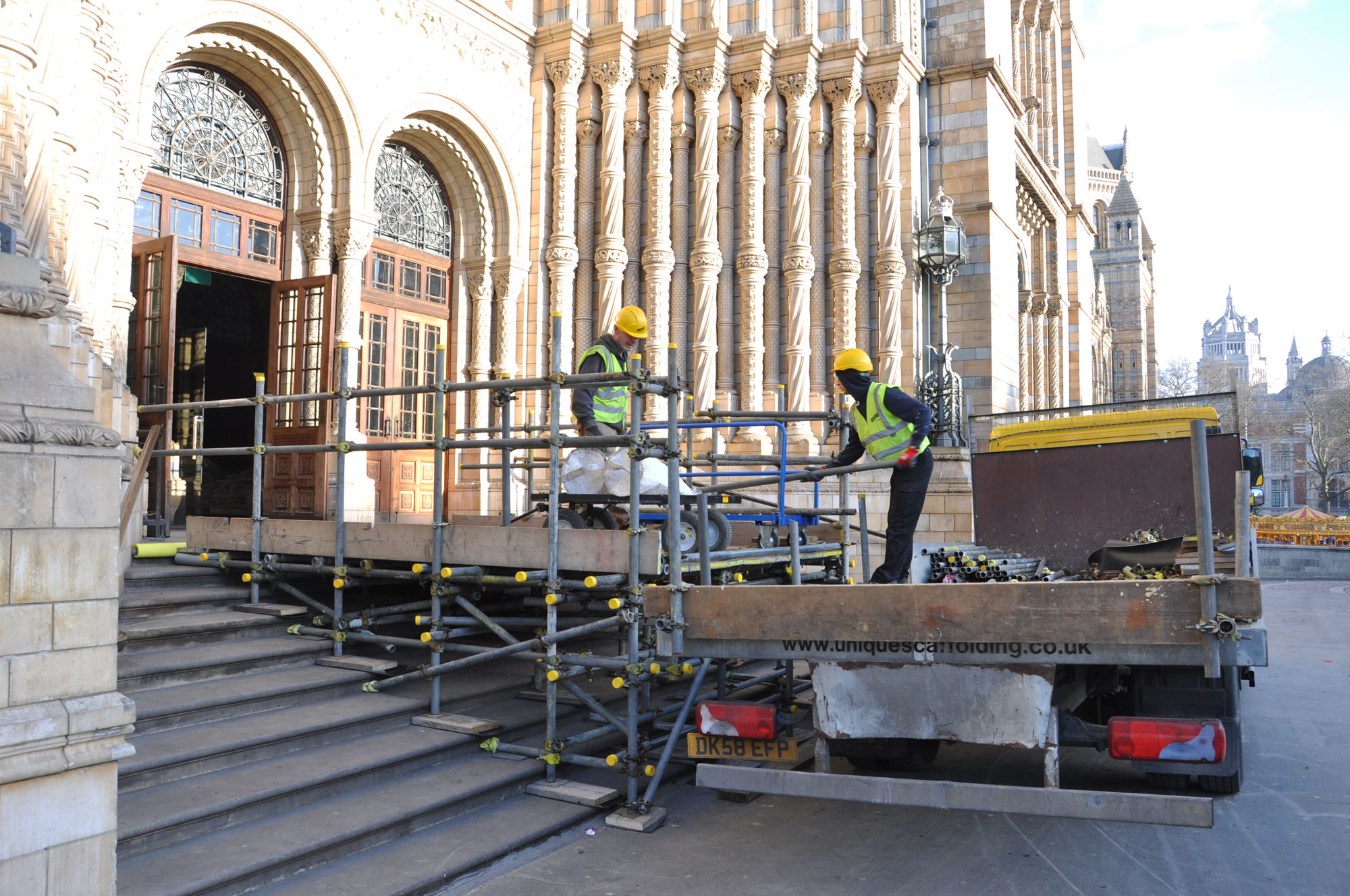
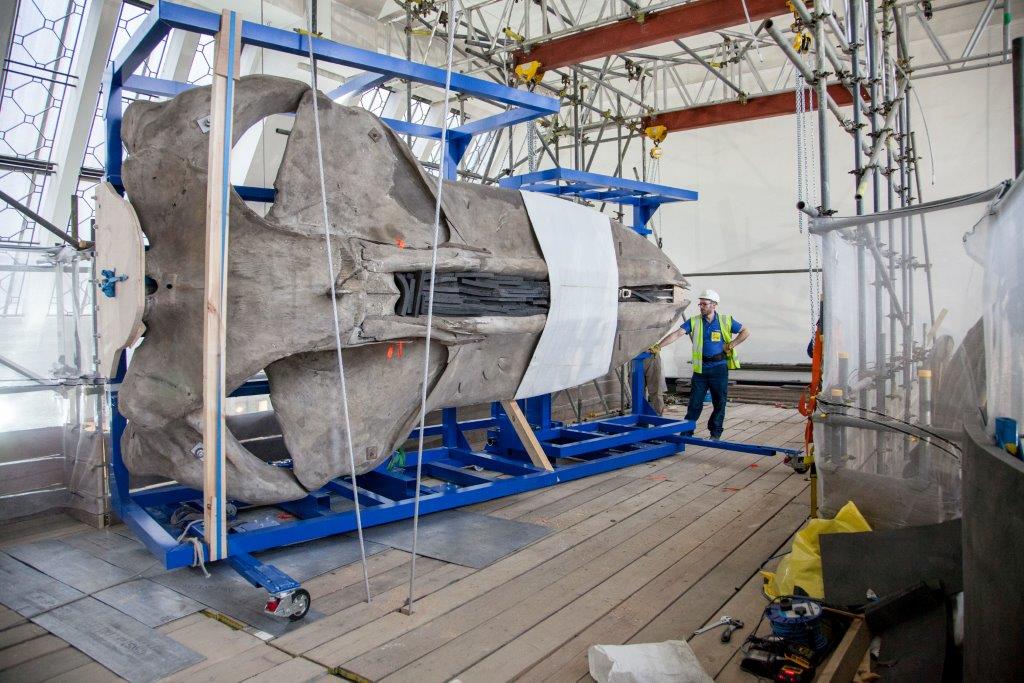
This will need to go up again halfway through construction of Phase 1 allow for delivery of the blue whale skull through our active site. Here it is just before it left the Museum.
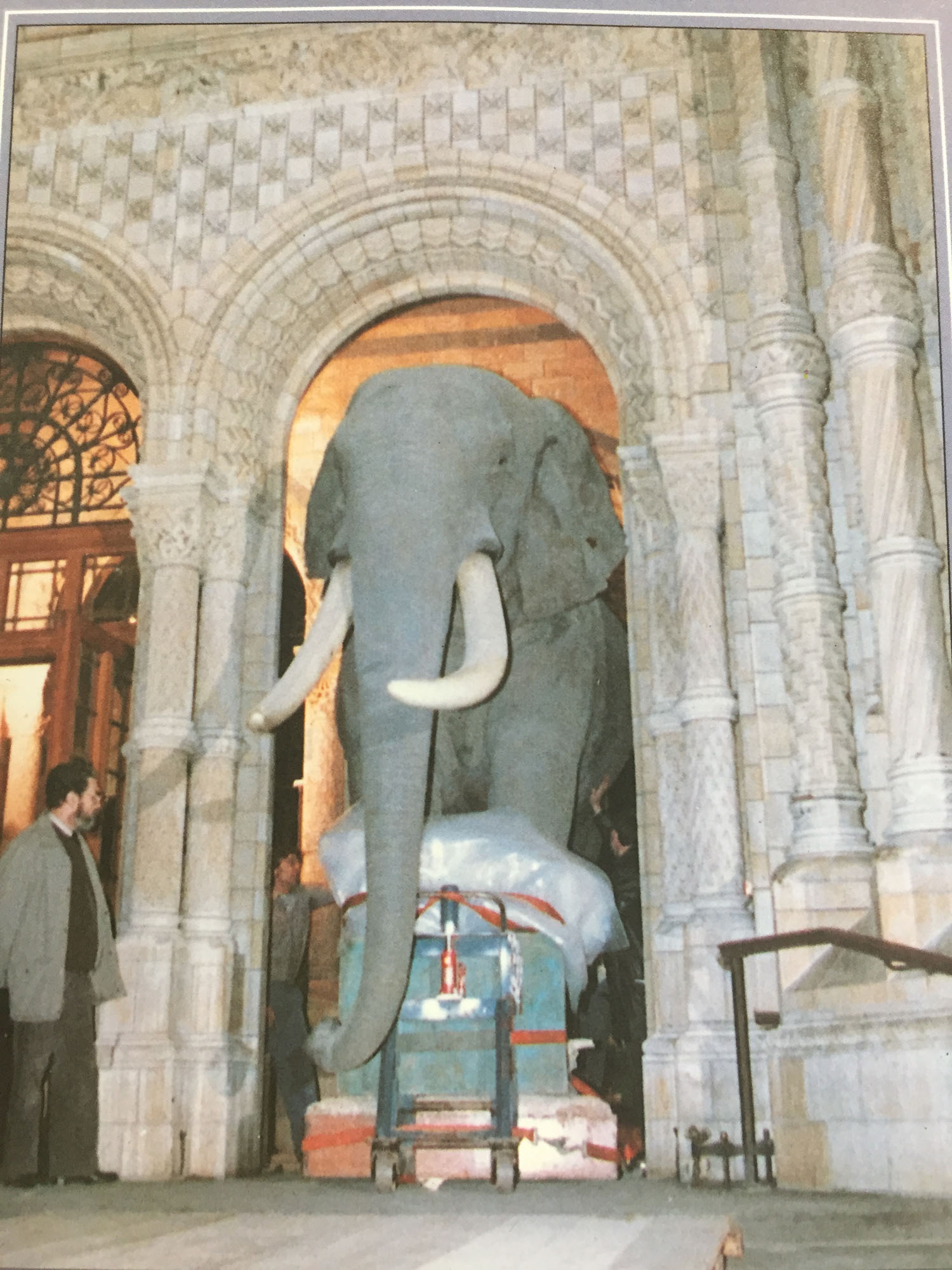
If you’re wondering how that that will fit through the front doors, the answer’s simple: the same way the elephants do.
Phase 1 is due to complete mid-July ahead of the main entrance reopening to the public shortly after. In the meantime, there’s a pop-up conservation studio in the Darwin Centre – which we highly recommend – where you can see the conservationists at work restoring the whale’s bones.