Building Stories - 2022 RIBA
September 2022
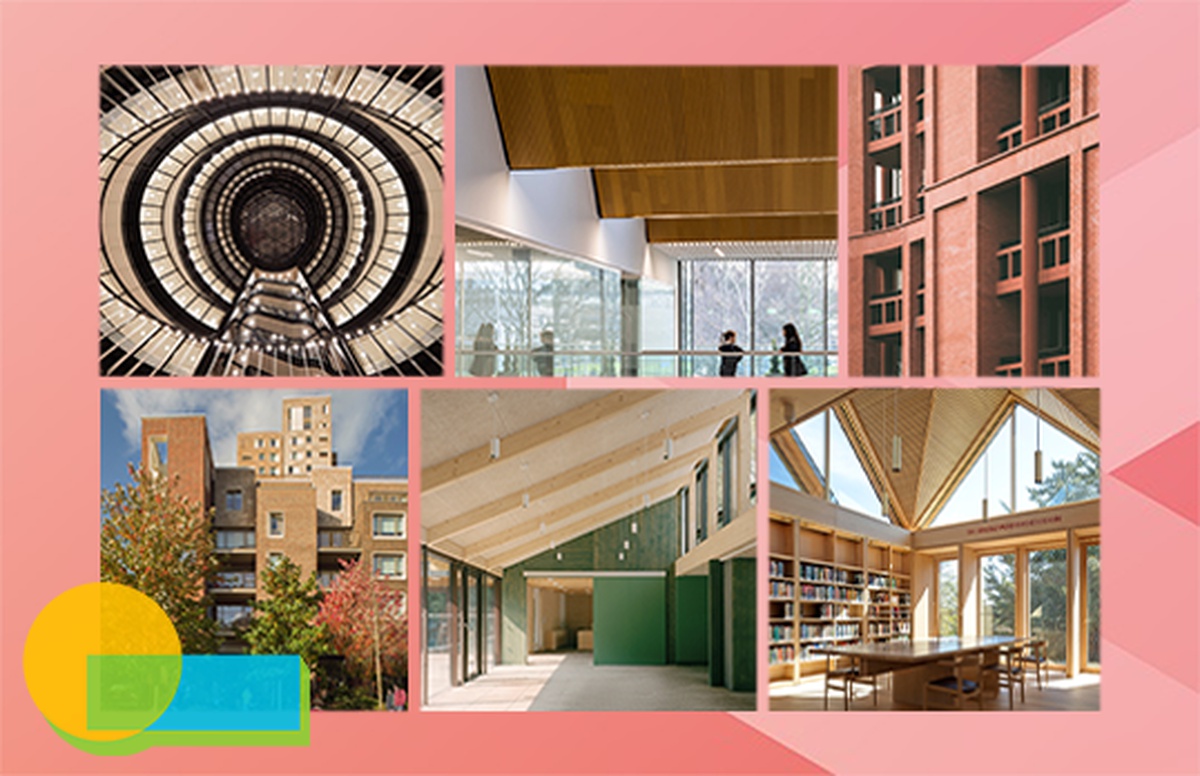
On the 21st September at London's RIBA and the 4th October at the Everyman Cinema in Leeds, the architects shortlisted for the 2022 RIBA Stirling Prize will reveal the stories behind their buildings, what inspires them, and what it would mean to win the UK’s most prestigious architecture prize.
The six shortlisted projects are:
- 100 Liverpool Street, Hopkins Architects
- Forth Valley College – Falkirk Campus, Reiach and Hall Architects
- Hackney New Primary School and 333 Kingsland Road, Henley Halebrown
- Orchard Gardens, Elephant Park, Panter Hudspith Architects
- Sands End Arts and Community Centre, Mæ Architects
- The New Library, Magdalene College, Niall McLaughlin Architects
The architects behind the six shortlisted buildings will give brief presentations, followed by a panel discussion and a live Q&A with the audience. Talking on behalf of our pratice to present the New Library, Magdalene College will be Claire McMenamin and Tim Allen-Booth. You can watch the RIBA London event here.