AYR MASTERPLAN
FEBRUARY 2017
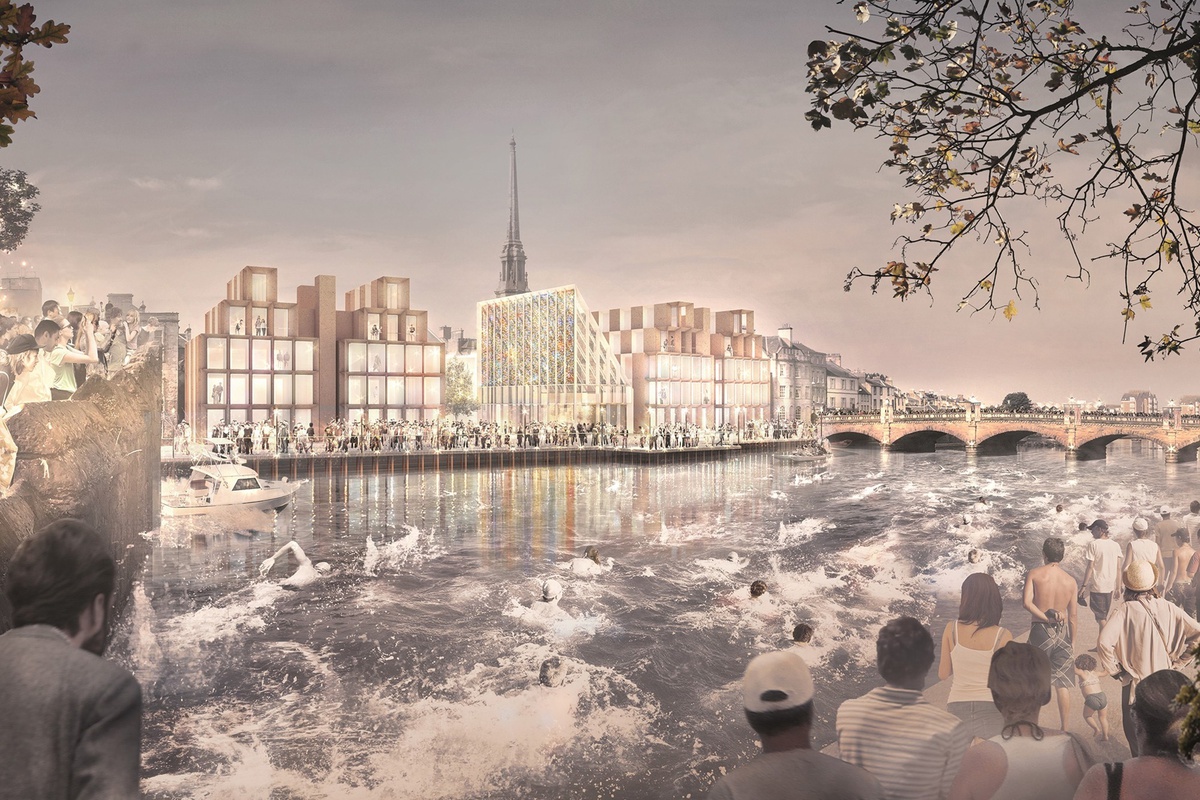
In collaboration with acclaimed international land artist Charles Jencks the masterplan for Ayr has been given planning consent. The project has been conceived as an urban square next to the River Ayr that will be used for festivals and events.
The scheme, focuses around a new glazed structure, that will open up a number of views blocked by post-war development and includes commercial, cultural, leisure, community, hotel and residential buildings. South Ayrshire Council has already committed to building a new council office for 350 of its staff as part of the scheme.
Ayr Renaissance began purchasing the mainly 20th century buildings on the site almost four years ago with funding from the council and the Scottish Government’s Regeneration Capital Grant Fund.
Demolition will begin immediately on the buildings within the plot, which falls inside the Ayr Central Conservation, following the approval for the masterplan by South Ayrshire Council last week.
Archaeologists will work alongside the demolition contractors in preparation for a six-month dig.
James Knox, chairman of Ayr Renaissance, said: ‘This decision marks a turning point in the fortunes of Ayr. Decades of blight will be swept away, opening up the river to the town’s people for the first time in generations. ‘Our masterplan offers a humane and beautiful solution to the transformation of this key site, which will act as a magnet for visitors, office workers and inhabitants alike. It marks a sea change in the economy of the town.’