AYR MASTERPLAN
FEBRUARY 2017
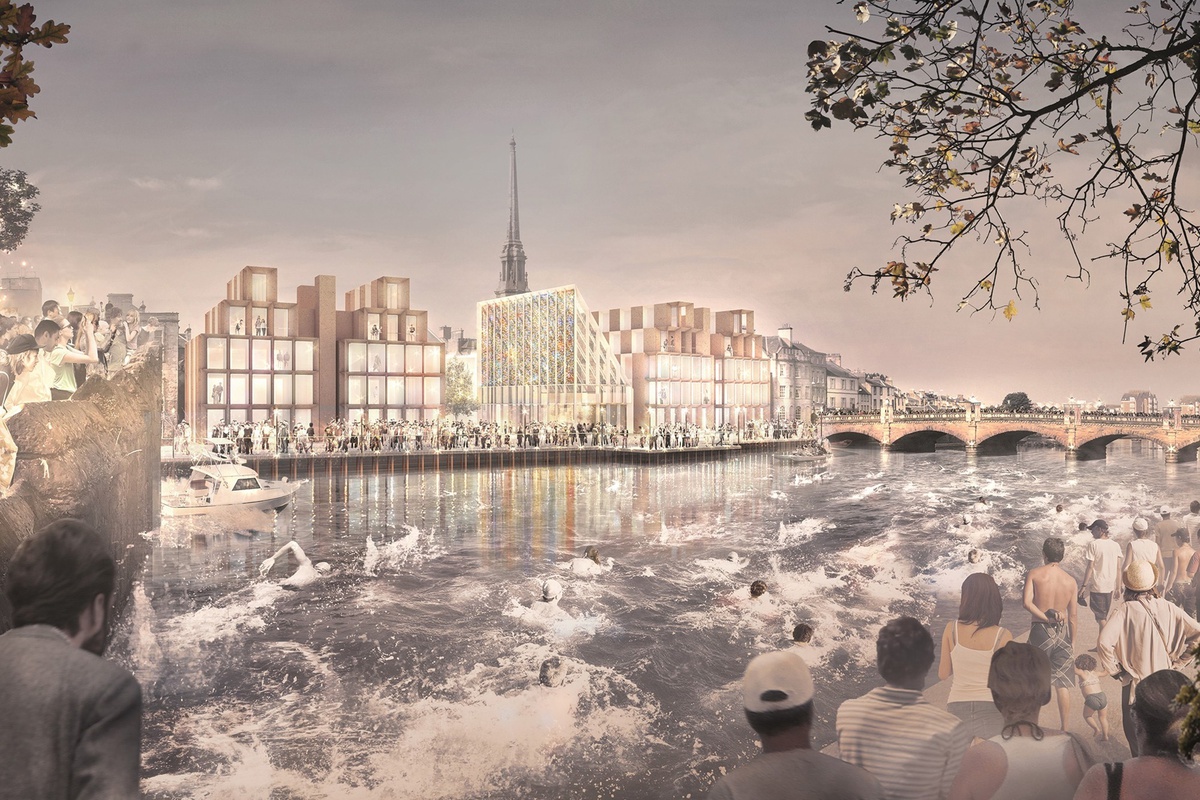
In collaboration with acclaimed international land artist Charles Jencks the masterplan for Ayr has been given planning consent. The project has been conceived as an urban square next to the River Ayr that will be used for festivals and events.
The scheme, focuses around a new glazed structure, that will open up a number of views blocked by post-war development and includes commercial, cultural, leisure, community, hotel and residential buildings. South Ayrshire Council has already committed to building a new council office for 350 of its staff as part of the scheme.
Ayr Renaissance began purchasing the mainly 20th century buildings on the site almost four years ago with funding from the council and the Scottish Government’s Regeneration Capital Grant Fund.
Demolition will begin immediately on the buildings within the plot, which falls inside the Ayr Central Conservation, following the approval for the masterplan by South Ayrshire Council last week.
Archaeologists will work alongside the demolition contractors in preparation for a six-month dig.
James Knox, chairman of Ayr Renaissance, said: ‘This decision marks a turning point in the fortunes of Ayr. Decades of blight will be swept away, opening up the river to the town’s people for the first time in generations. ‘Our masterplan offers a humane and beautiful solution to the transformation of this key site, which will act as a magnet for visitors, office workers and inhabitants alike. It marks a sea change in the economy of the town.’
CRAFTLINES
AUGUST 2015
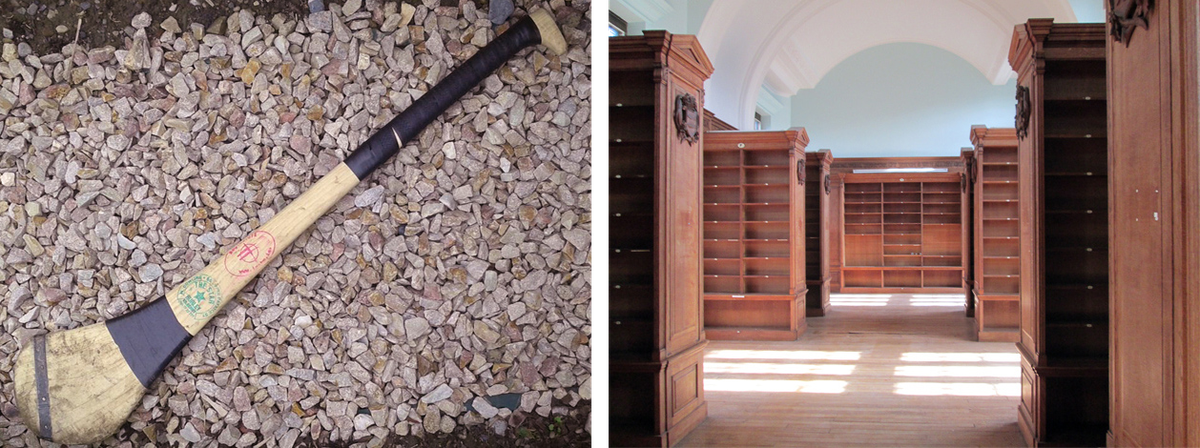
My grandfather has worn many hats; soldier, civil servant, father of seven, husband, and winner of a county final in hurling (the achievement of which he is potentially most proud). He is fluent in Irish and recalls event and dates from 50 years ago with a staggering accuracy. Yet the residing image of him from my childhood is as a craftsman – in the garage next to his house in Dublin, whittling and sanding a piece of ash to form a hurley, sizing it precisely for the user, wrapping the handle to create the perfect hold. I remember sitting, playing surreptitiously with a clamp, watching this in awe: the creation of the perfect instrument from a piece of timber; a skill honed through practice and an unfailing attention to detail. I marvelled at the assurance of it all, the promise in his hands.
It would be satisfyingly simple to attribute my choice of career to these moments – to claim there was an epiphany in watching him, a sudden realisation that I wanted to be an architect, to create. In reality, however, the path was not so linear; instead the conviction that I wanted to become an architect embedded itself in my consciousness slowly, over time. The memory of him working in his garage was one I didn’t return to often, and like any story we fail to repeatedly tell ourselves, it languished, dormant, in the recesses of my mind.
I recently went to site at Jesus College, Cambridge, where we are working on a project that is part new build, part refurbishment. An aspect of the refurbishment involves the adaptation of eight bookcases in the magnificent former library into wall panelling. The existing bookcases are a dark stained timber, designed by Maurice Webb in the 1920s and wonderfully crafted by a masterful hand. Reworking these without compromising their beauty would be a challenge for any craftsman.
On seeing the work the joiner had done, I realised there was no cause for worry – it had been executed with confident, competent hands. In that moment, the memory of my grandfather in his garage came back to me in glorious Technicolor; and I felt a familiar thrill at the embodied potential of the right material in the hands of a craftsman, with promise in his hands.