Auckland Castle Wing Extension
May 2019
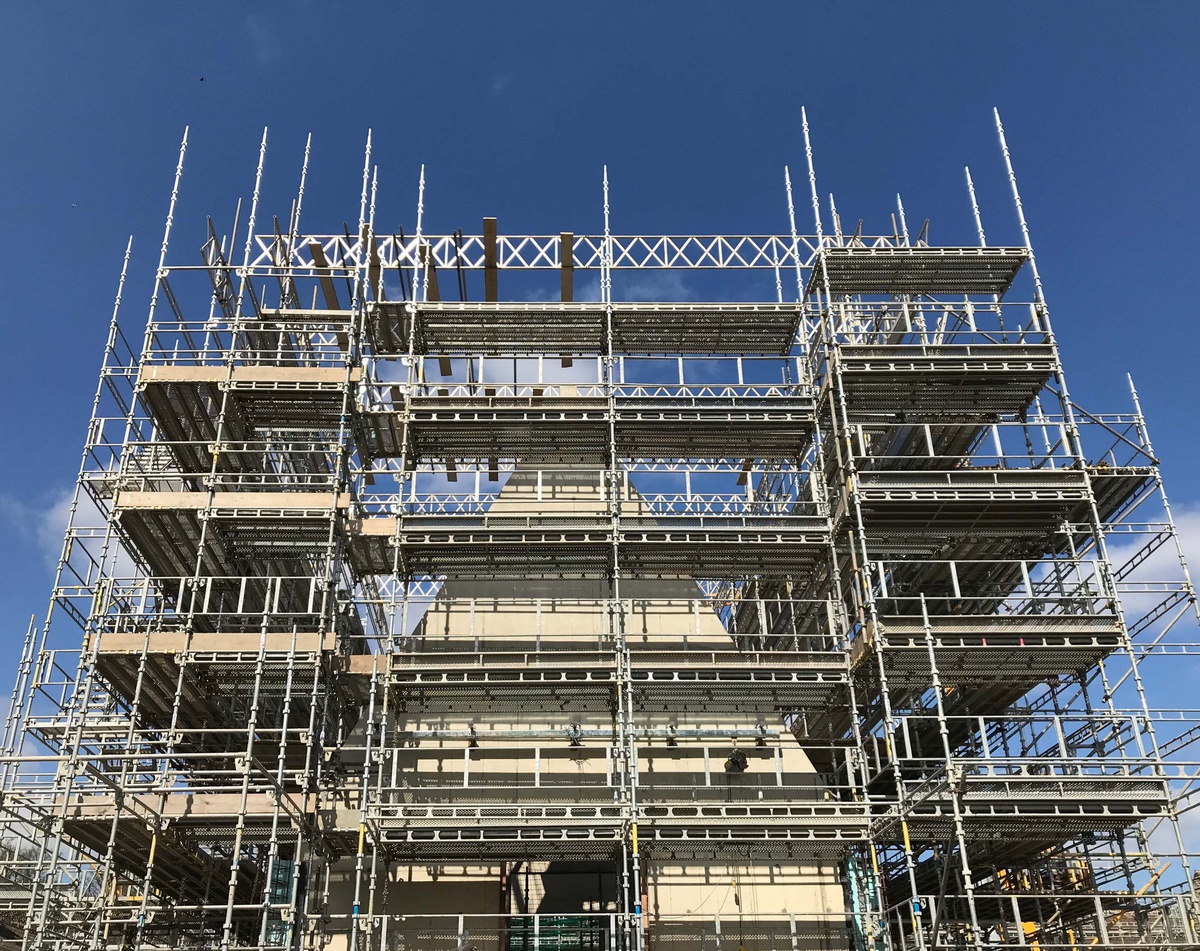
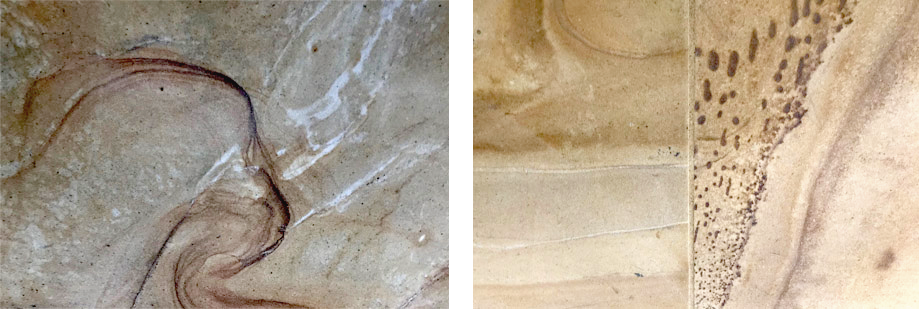
Following the completion of the Auckland Tower, the Faith Museum is our second project at Auckland Castle and is an extension to the Grade I listed Scotland Wing. Unlike its vertical sister, which wears its expressed timber structure on the outside, the Faith Museum is singular and monolithic in its appearance, forming a continuous horizontal stone edge to an enclosed courtyard. Cop Crag sandstone, local to the north-east of England, is the external treatment for the roof, walls and weatherings of the building. Far from being homogenous, the stone is alive with natural variation which ranges from delicate lacy swirls to something resembling animal markings.
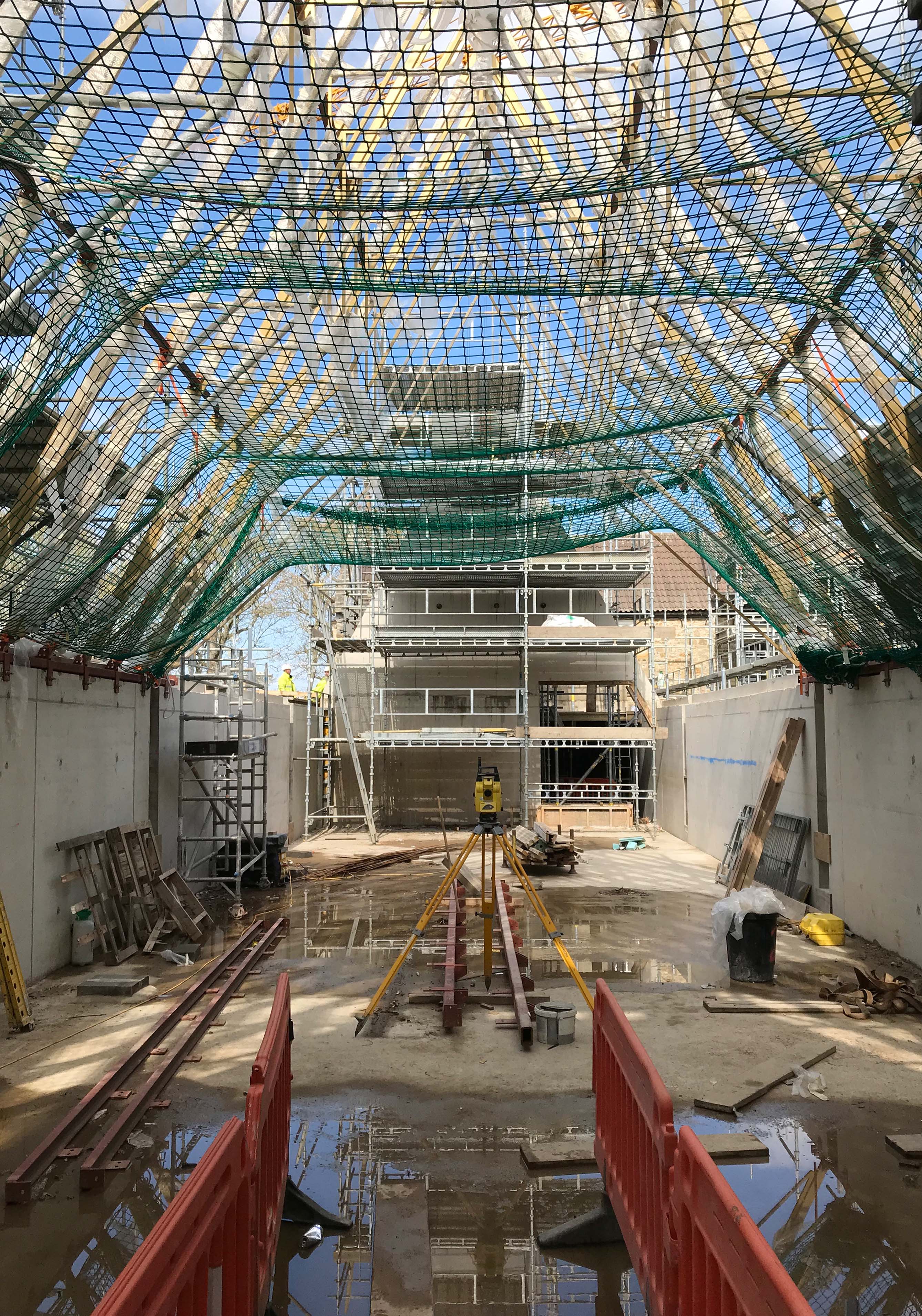
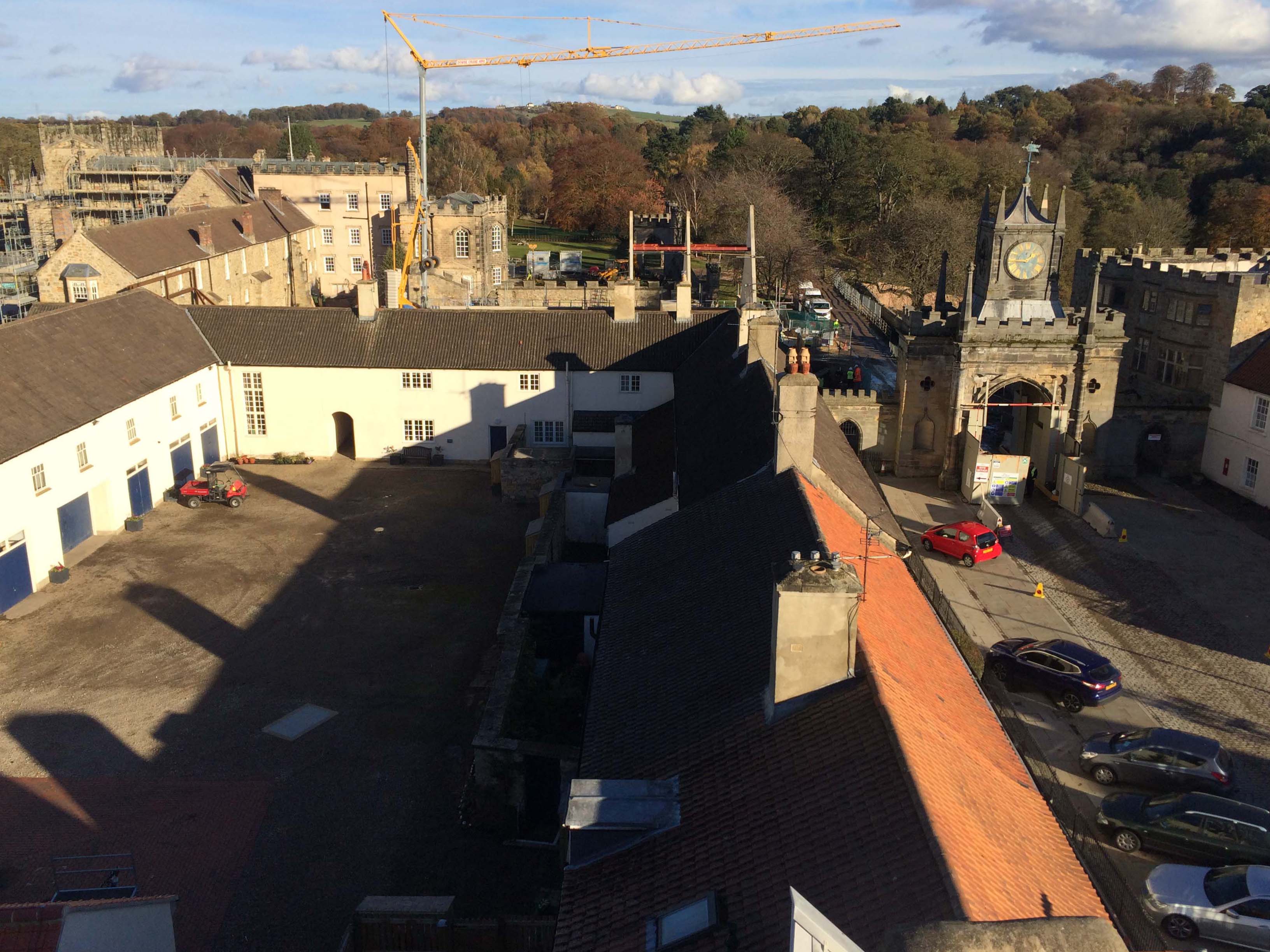
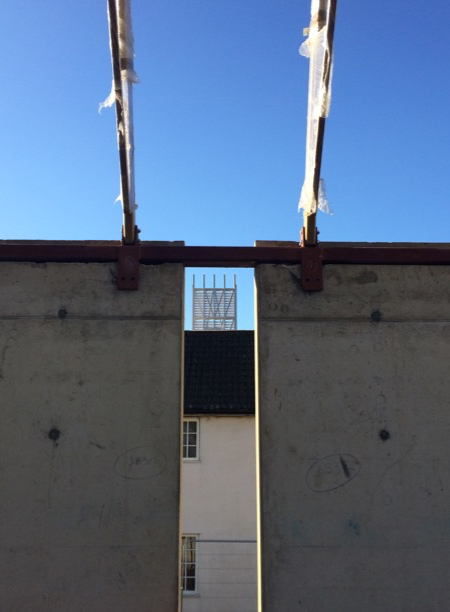
The principal internal space is a 9.5m tall gallery which follows the steeply pitching roof form, supported by a procession of closely-centred fine metal trusses. The Museum is largely inward-looking, borne of its intended purpose for contemplation and preservation of religious artefacts. This provides further enjoyable contrast and conversation between our two buildings in how they seem to view one another: the Tower’s expansive 360˚ views offering a full appreciation of the Faith Museum in its entirety as begins to take form, whilst the introspective Museum offers the only the slightest peek of its neighbour over the wall.
Cambridge Architecture Students Tour of Jesus College
March 2017
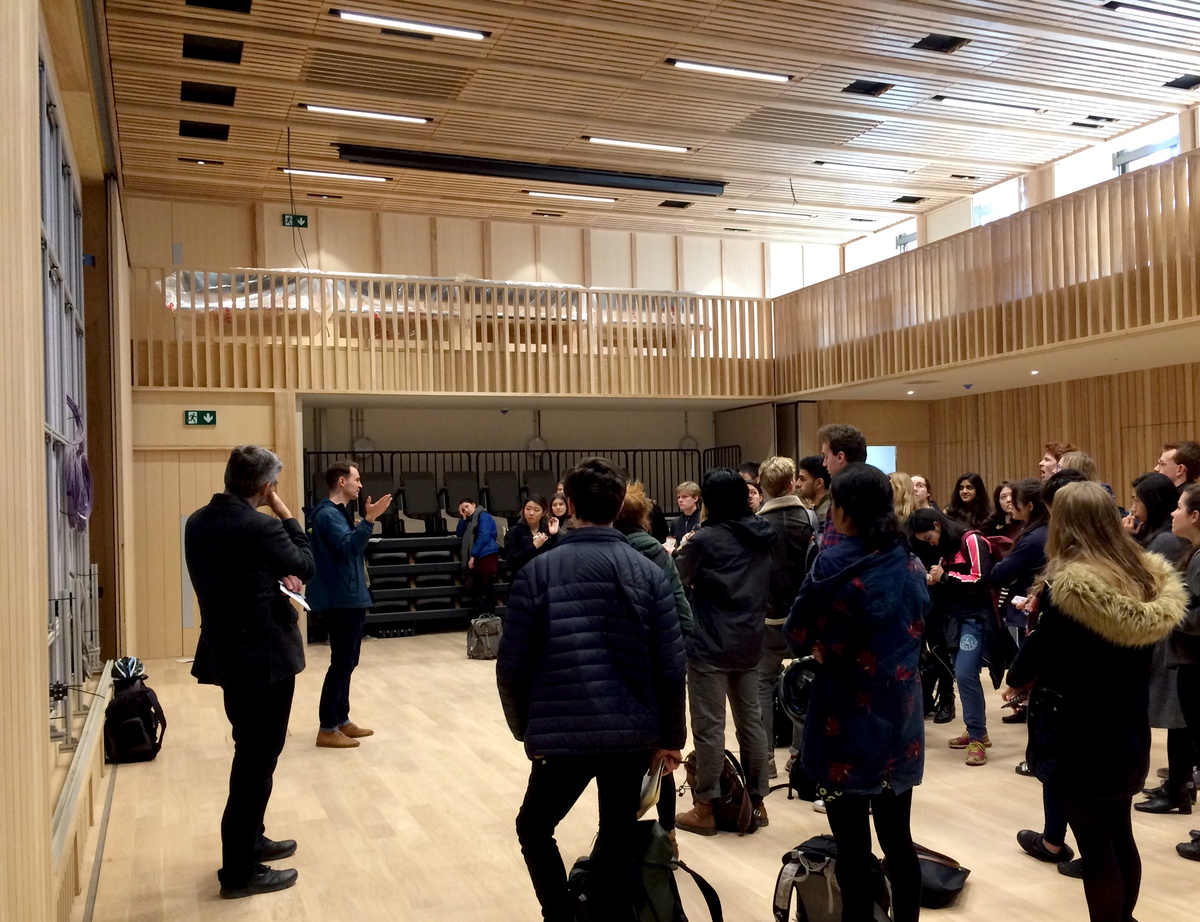
On Wednesday 1st March the University of Cambridge Year 2 architecture students visited our West Court development at Jesus College. They were invited by Professor of Sustainable Design Koen Steemers, a Fellow and Director of Studies at Jesus College. I gave a general introduction to the project in the recently completed auditorium and was asked to cover some more specific acoustic design issues to tie in with Professor Steemers’s recent lectures on acoustics.
It was great to experience the ash-lined auditorium space occupied. With the secondary glazing installed earlier in the week, there was no disturbance from noisy Jesus Lane outside and even the buzz of the busy building site beyond the four walls of the auditorium was not noticeable.
I really enjoyed the Q&A session and was surprised at the insightful questioning and level of engagement that the Year 2 students demonstrated. There were specific questions about acoustic design – Were different room shapes considered? – and more general questions about the architecture – What informed the architectural language of the Auditorium? How was the 100-year lifespan of the building considered in the selection of materials?
Having finished in the auditorium, we crossed the courtyard to the new café pavilion and ended the tour in the basement bar below. Here the acoustics are very different with glazed tiling to the walls and brass surfaces. It was interesting to discuss how the acoustic plaster soffits, the sprung floor and the ceiling vaults might affect the sound. Again probing questions were raised about design and sustainability but I got the sense there was another question on everyone’s mind – Shouldn’t every college bar have its own microbrewery?