< Back to News

AUCKLAND CASTLE WING EXTENSION

MAY 2019

Auckland Castle Wing Extension

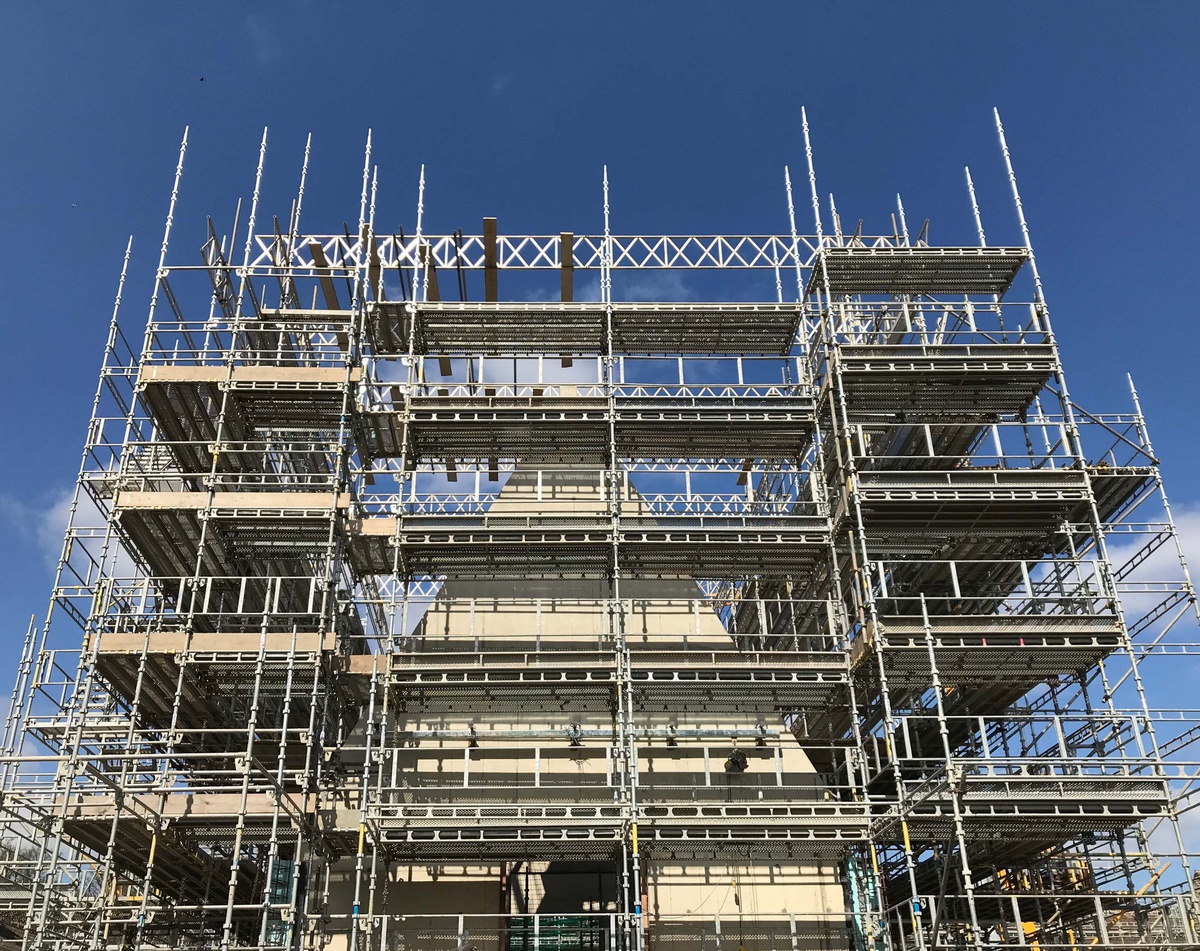
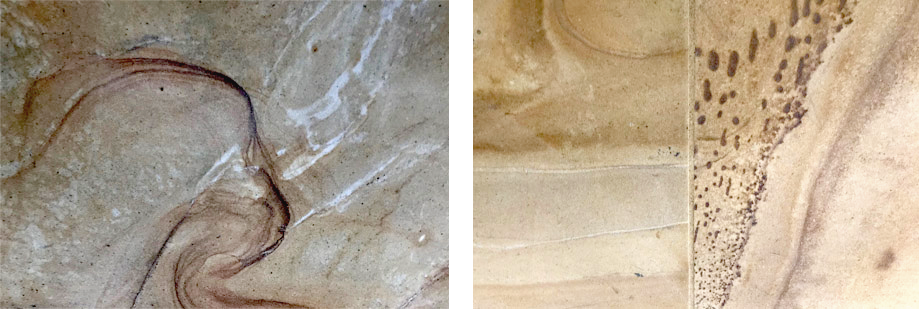
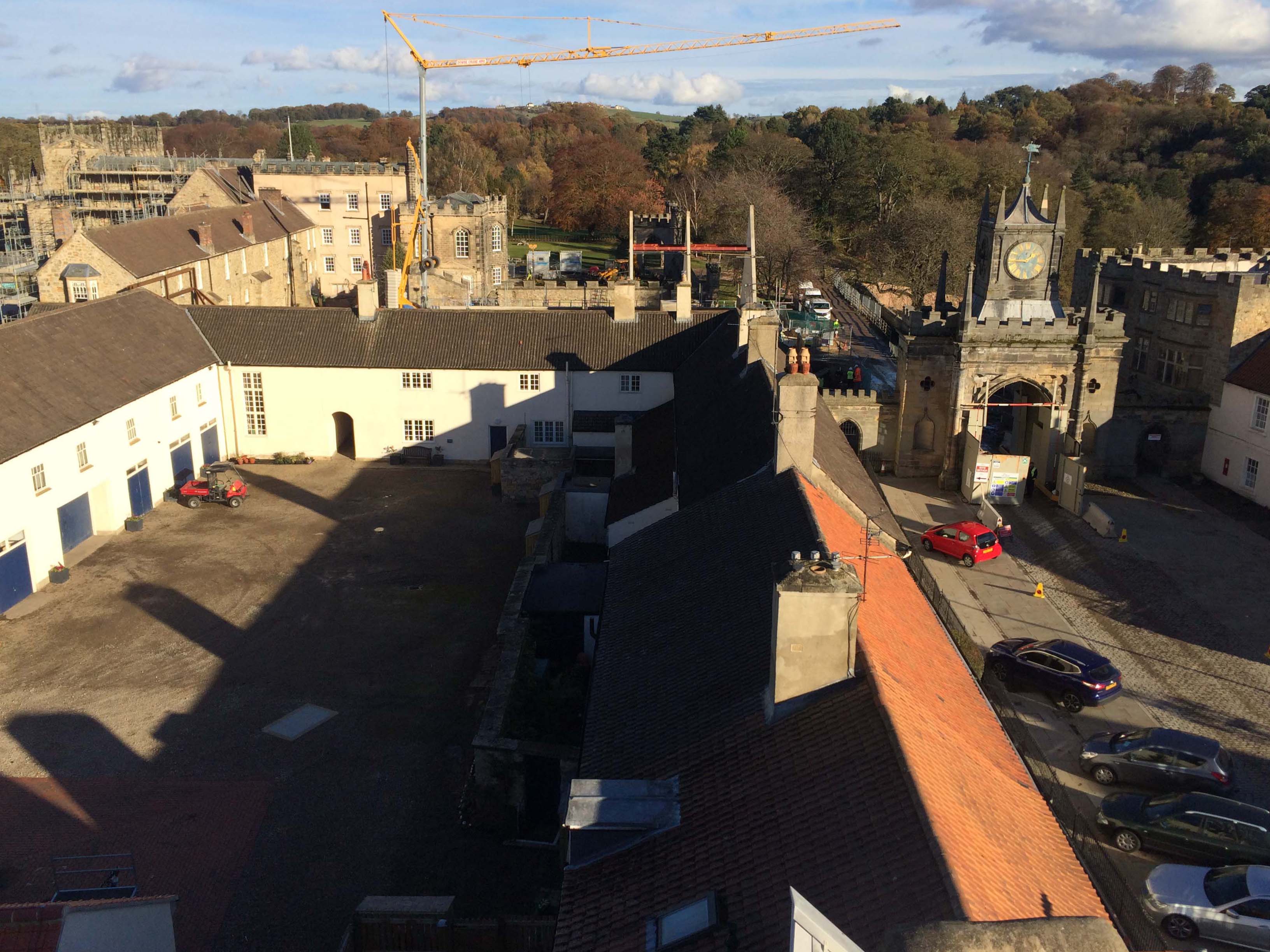
Following the completion of the Auckland Tower, the Faith Museum is our second project at Auckland Castle and is an extension to the Grade I listed Scotland Wing. Unlike its vertical sister, which wears its expressed timber structure on the outside, the Faith Museum is singular and monolithic in its appearance, forming a continuous horizontal stone edge to an enclosed courtyard. Cop Crag sandstone, local to the north-east of England, is the external treatment for the roof, walls and weatherings of the building. Far from being homogenous, the stone is alive with natural variation which ranges from delicate lacy swirls to something resembling animal markings.
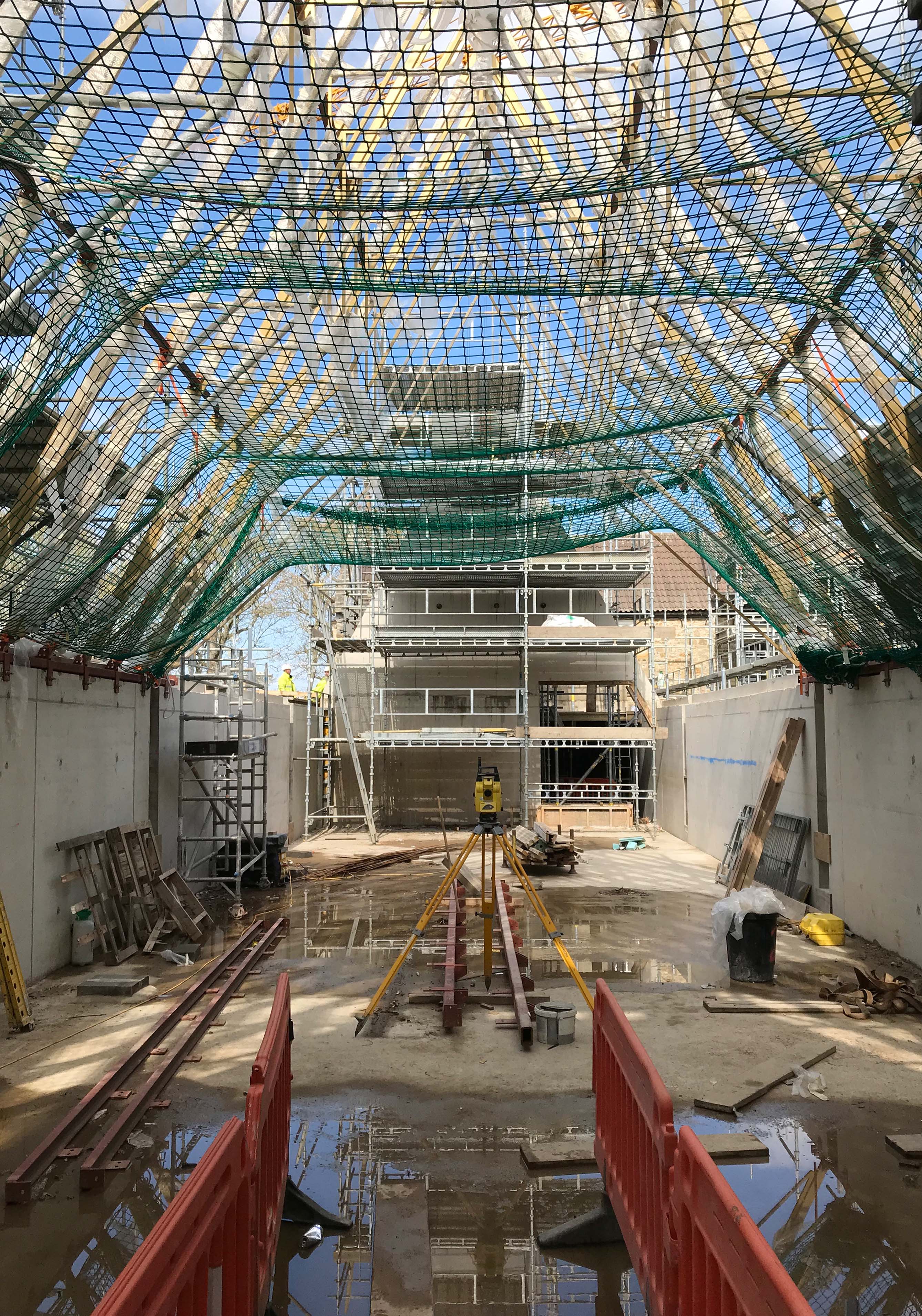
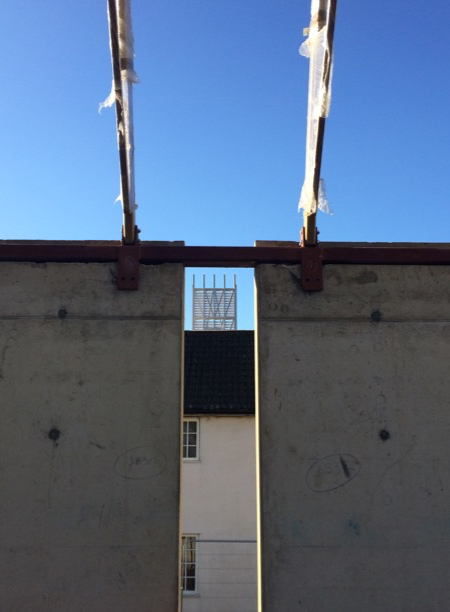
The principal internal space is a 9.5m tall gallery which follows the steeply pitching roof form, supported by a procession of closely-centred fine metal trusses. The Museum is largely inward-looking, borne of its intended purpose for contemplation and preservation of religious artefacts. This provides further enjoyable contrast and conversation between our two buildings in how they seem to view one another: the Tower’s expansive 360˚ views offering a full appreciation of the Faith Museum in its entirety as begins to take form, whilst the introspective Museum offers the only the slightest peek of its neighbour over the wall.
CATHERINE HUGHES BUILDING PLANNING APPROVAL

MAY 2017

Catherine Hughes Building Planning Approval

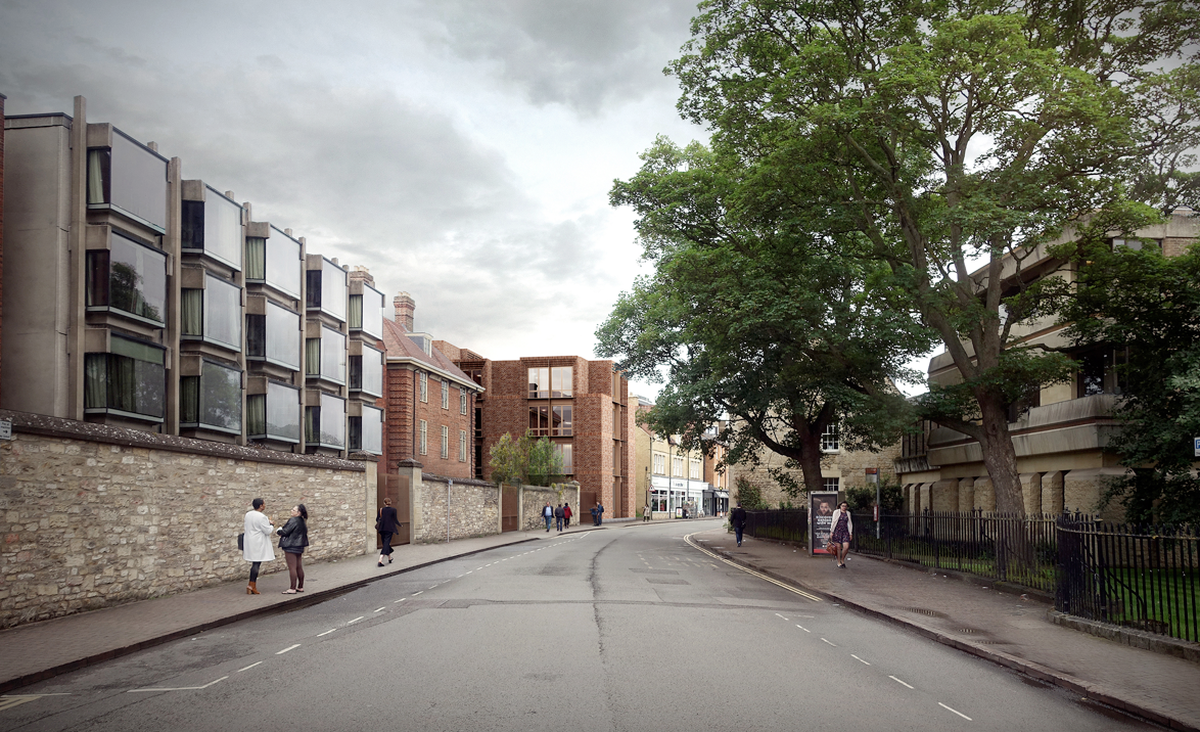
Our new student accommodation scheme for Somerville College, has been awarded planning approval unanimously by Oxford City Council. The project, known as the Catherine Hughes Building, will provide 68 bedrooms, allowing the College to accommodate all their undergraduates on site. This is our third building for Somerville College, further to our work on the ROQ student housing and the extension to the Philip Dowson designed Wolfson building.

The new building has a frontage on to Walton Street, with a Graduate Reading Room at ground floor level. The use of red brick will reflect the neighbouring buildings, with articulated brickwork elements around generous windows to provide a rhythm to the façade. Framed setbacks at third floor level allow the new building to align with key levels on the adjacent Penrose Building and to provide variety to the roof line. Internally, bedrooms are arranged in to clusters with kitchens and circulation spaces utilising direct and borrowed natural light and forming focal points for social activity.

Enabling works, involving the demolition of existing buildings, are due to commence in the next few months, with the main construction expected to start on site at the beginning of 2018.