Auckland Castle Wing Extension
May 2019
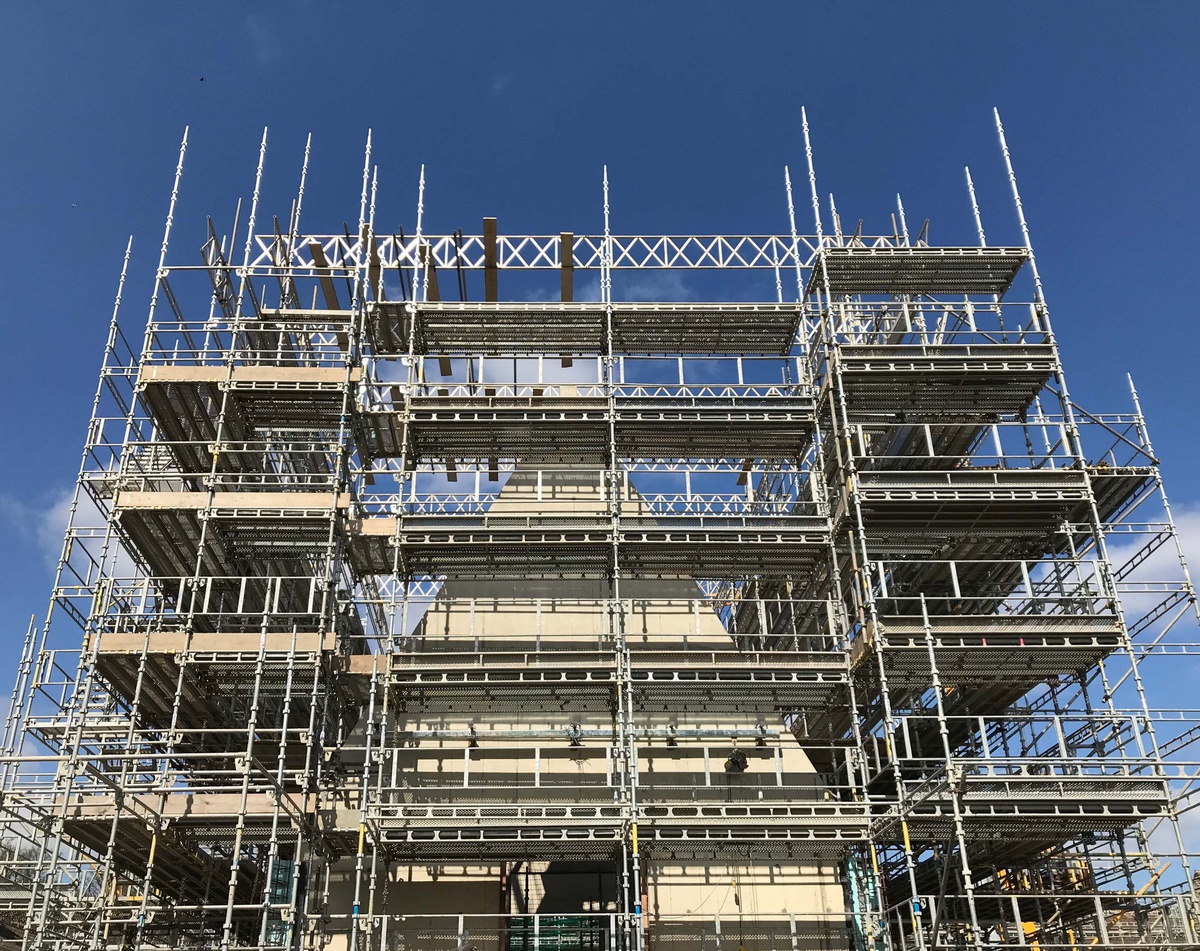
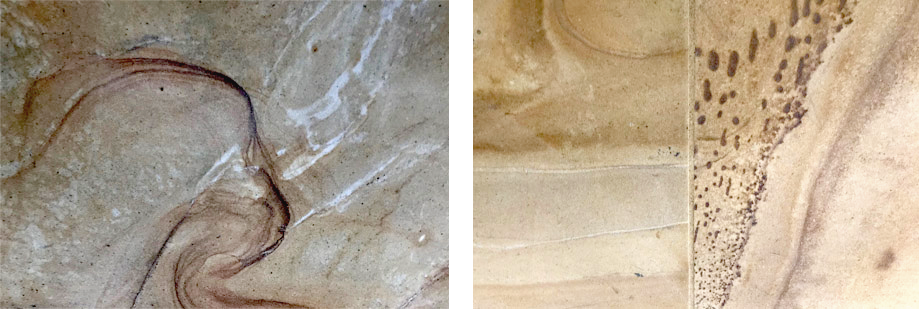
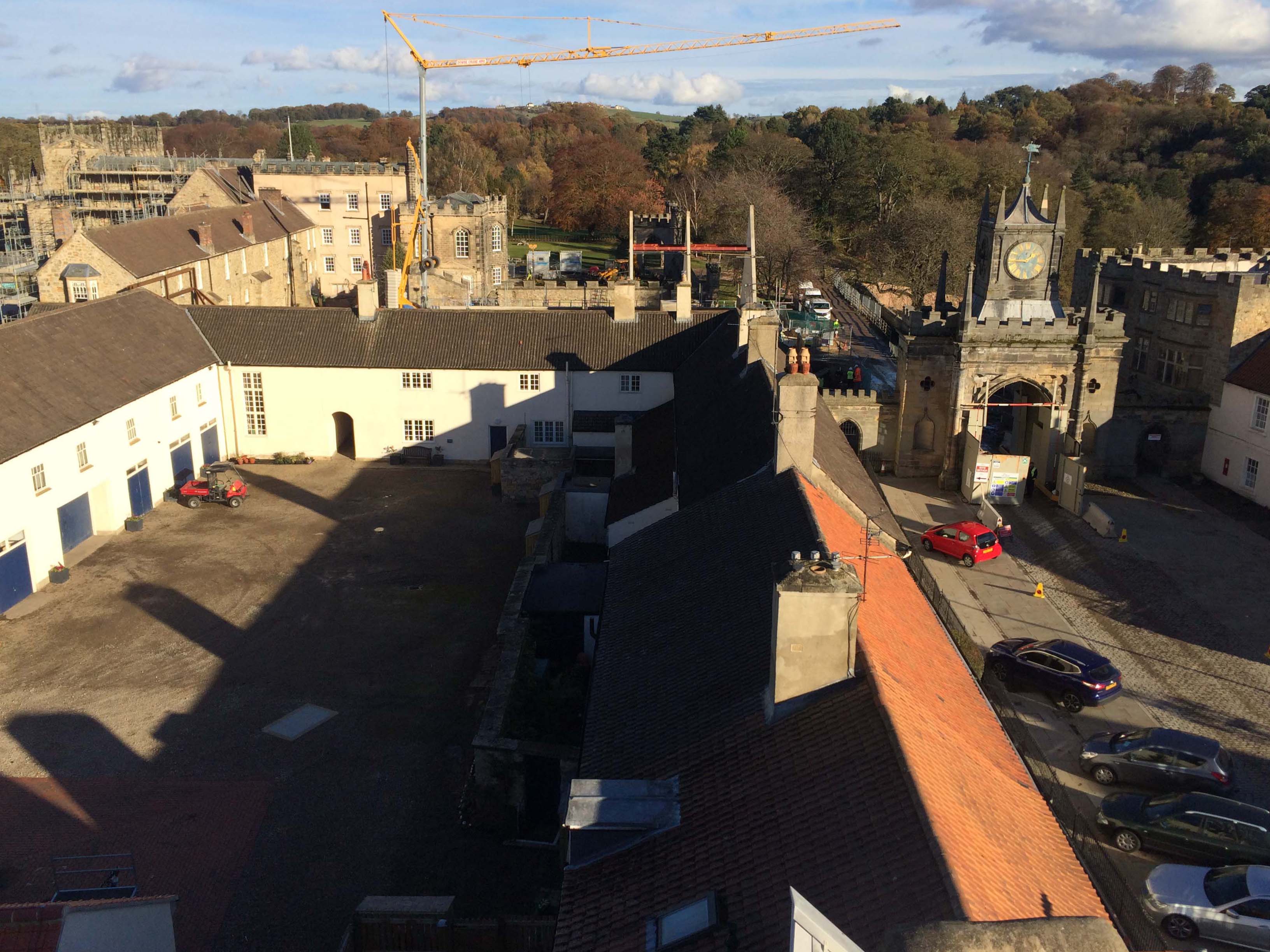
Following the completion of the Auckland Tower, the Faith Museum is our second project at Auckland Castle and is an extension to the Grade I listed Scotland Wing. Unlike its vertical sister, which wears its expressed timber structure on the outside, the Faith Museum is singular and monolithic in its appearance, forming a continuous horizontal stone edge to an enclosed courtyard. Cop Crag sandstone, local to the north-east of England, is the external treatment for the roof, walls and weatherings of the building. Far from being homogenous, the stone is alive with natural variation which ranges from delicate lacy swirls to something resembling animal markings.
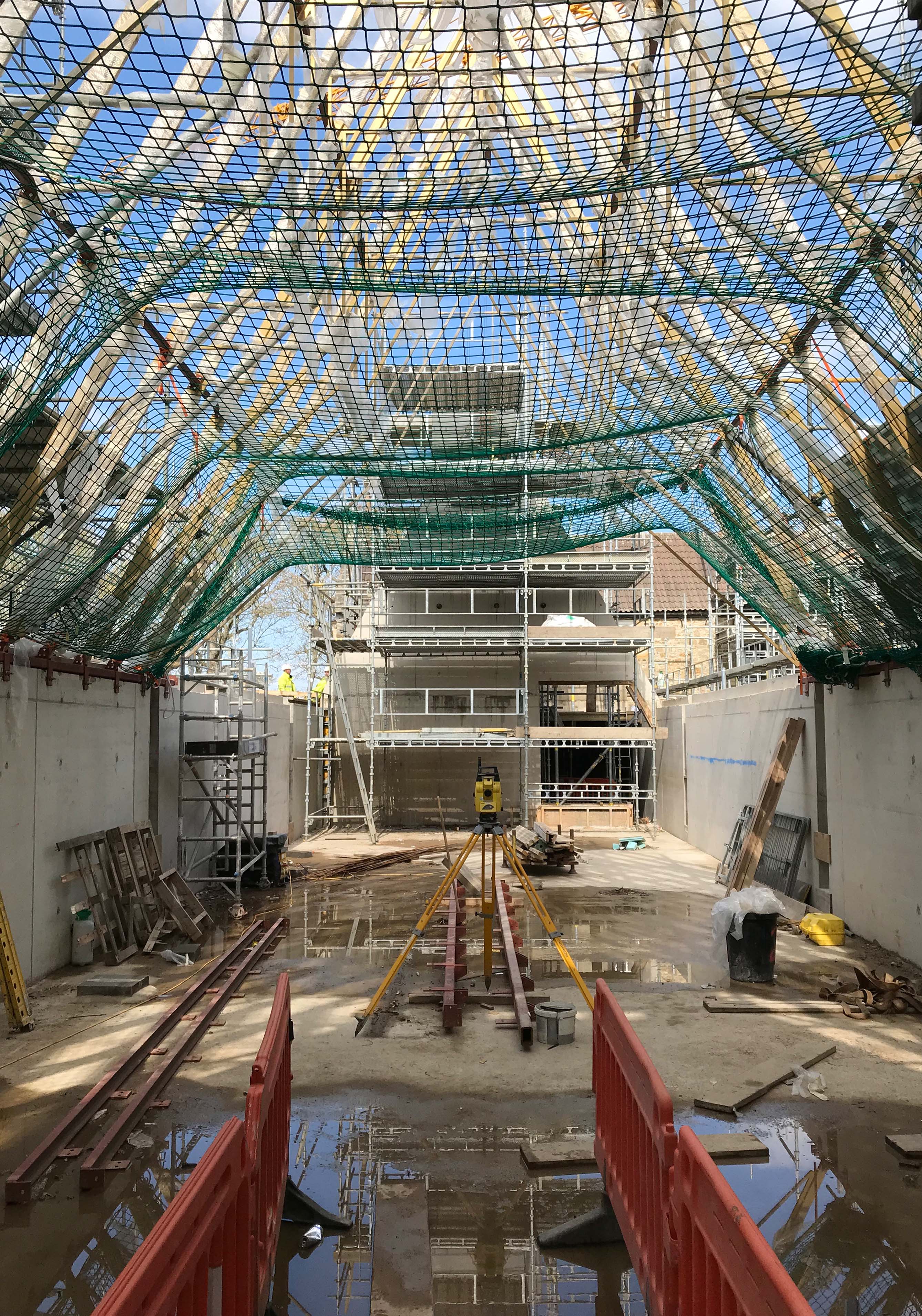
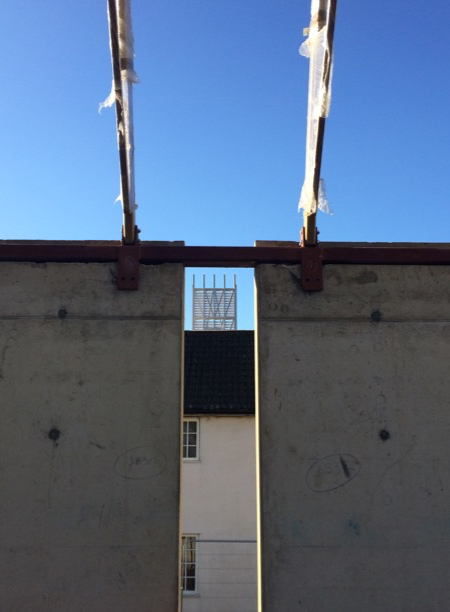
The principal internal space is a 9.5m tall gallery which follows the steeply pitching roof form, supported by a procession of closely-centred fine metal trusses. The Museum is largely inward-looking, borne of its intended purpose for contemplation and preservation of religious artefacts. This provides further enjoyable contrast and conversation between our two buildings in how they seem to view one another: the Tower’s expansive 360˚ views offering a full appreciation of the Faith Museum in its entirety as begins to take form, whilst the introspective Museum offers the only the slightest peek of its neighbour over the wall.